

Printable Chart of Electrical Symbols with their Meanings
Circuit diagrams provide the component layout in any circuit. In order to represent the various components used in the diagram, electrical symbols are used. Here’s a printable electrical symbols chart for your reference when preparing circuit diagrams.
Did You Know?
Edraw Max, an electrical diagramming program, was the first software to demonstrate standard electrical symbols on computer screens.
Electrical symbols are used to represent electrical and electronic devices in schematic diagrams. There are different country-specific standards, IEC (British), ANSI, and AS (Australian Standard), that define the symbols used in circuit diagrams across the world. However, today most of the symbols are internationally standardized. We have provided a list of the most commonly used electrical symbols in electrical drawings.
Wire
Passes electric current
DIP
Manual on-off switch used on PCBs
Single Pole, Single Throw (SPST) switch
An on-off switch which passes current in closed position
Single Pole, Double Throw (SPDT) switch
A changeover switch that directs current to one of the two available routes.
Pushbutton (NO)
Momentary switch that passes current when pressed
Pushbutton (NC)
Momentary switch that passes current when released
SPST Relay
On-off switch operated by electromagnet
SPDT Relay
Double throw switch operated by electromagnet
Jumper
Piece of wire that bypasses or closes onboard connections
Solder Bridge
Connection completed by soldering
Ground
Connects to zero potential (or earth)
Chassis Ground
Connects the chassis of a device to zero (earth) potential
Resistor IEEE
IEEE (Institute of Electrical and Electronics Engineers) standard symbol - Reduces flow of charge or current
Resistor IEC
IEC (International Electrotechnical Commission) symbol
Potentiometer IEEE
IEEE symbol - Adjustable resistance value
Potentiometer IEC
IEC symbol
Rheostat IEEE
IEEE symbol - Variable resistance value
Rheostat IEC
IEC symbol
Trimmer
Adjustable resistor with preset value
Thermistor
Resistance value changes due to changes in temperature
Capacitor
Stores electric current
Polarized Capacitor
Capacitors having electrolyte liquid in one of the plates
Variable Capacitor
Can change the value of capacitance
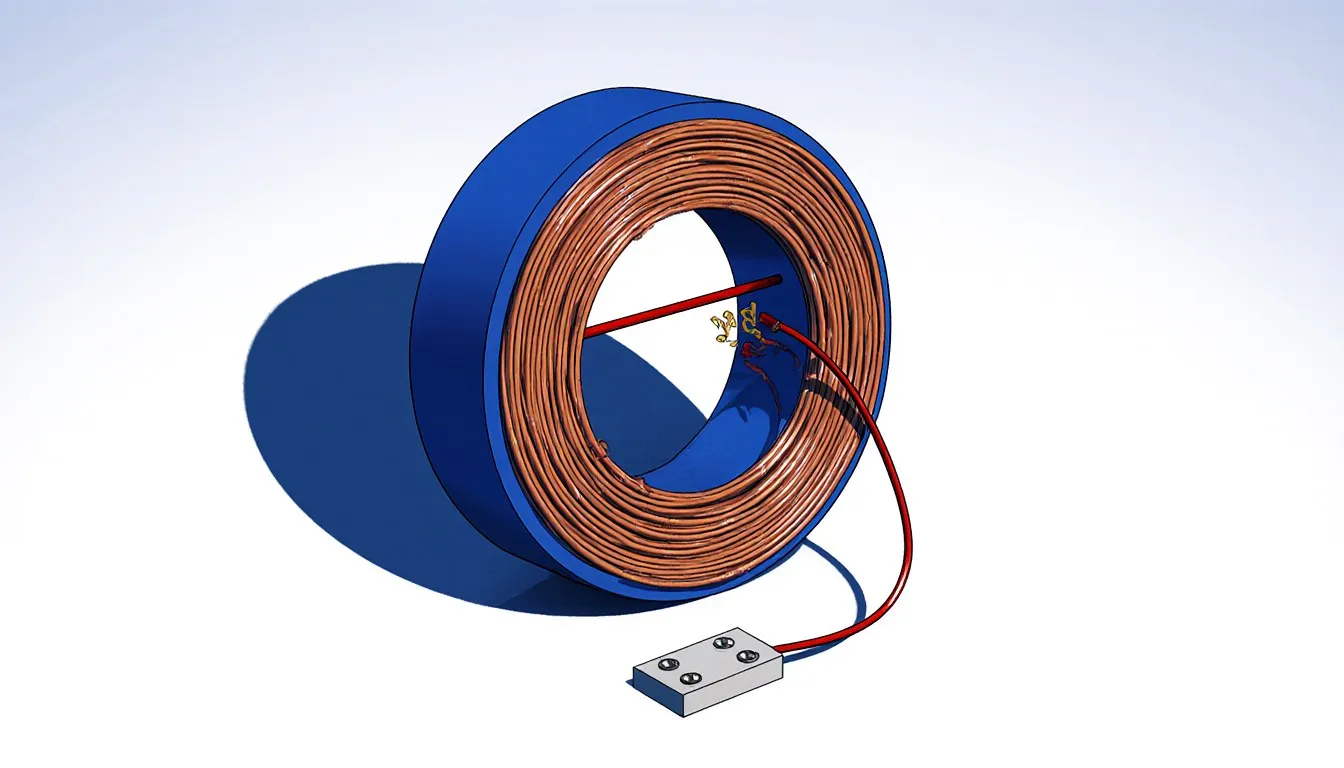
Inductor
Coil that generates magnetic field
Variable Inductor
Can adjust the value of inductance
Iron Core Inductor
Coil core contains iron
Generator
Generates electricity (voltage) by converting mechanical energy to electrical energy
Motor
Converts electrical energy to mechanical energy
Voltmeter
Measures voltage
Ammeter
Measures current
Ohmmeter
Measures resistance
Wattmeter
Measures power
Lamp
Light source illuminated by current flow
Diode
Allows current flow in only one direction
Zener Diode
Allows current flow in reverse direction only above breakdown voltage
Schottky Diode
Diode with less voltage drop
Light Emitting Diode (LED)
Emits light when current flows through
Photodiode
Allows current to flow only when exposed to light
NPN Bipolar Transistor
Current flows only when high potential applied to base
PNP Bipolar Transistor
Current flows only when low voltage applied to base
Transformer
Changes voltage from low to high value or vice-versa
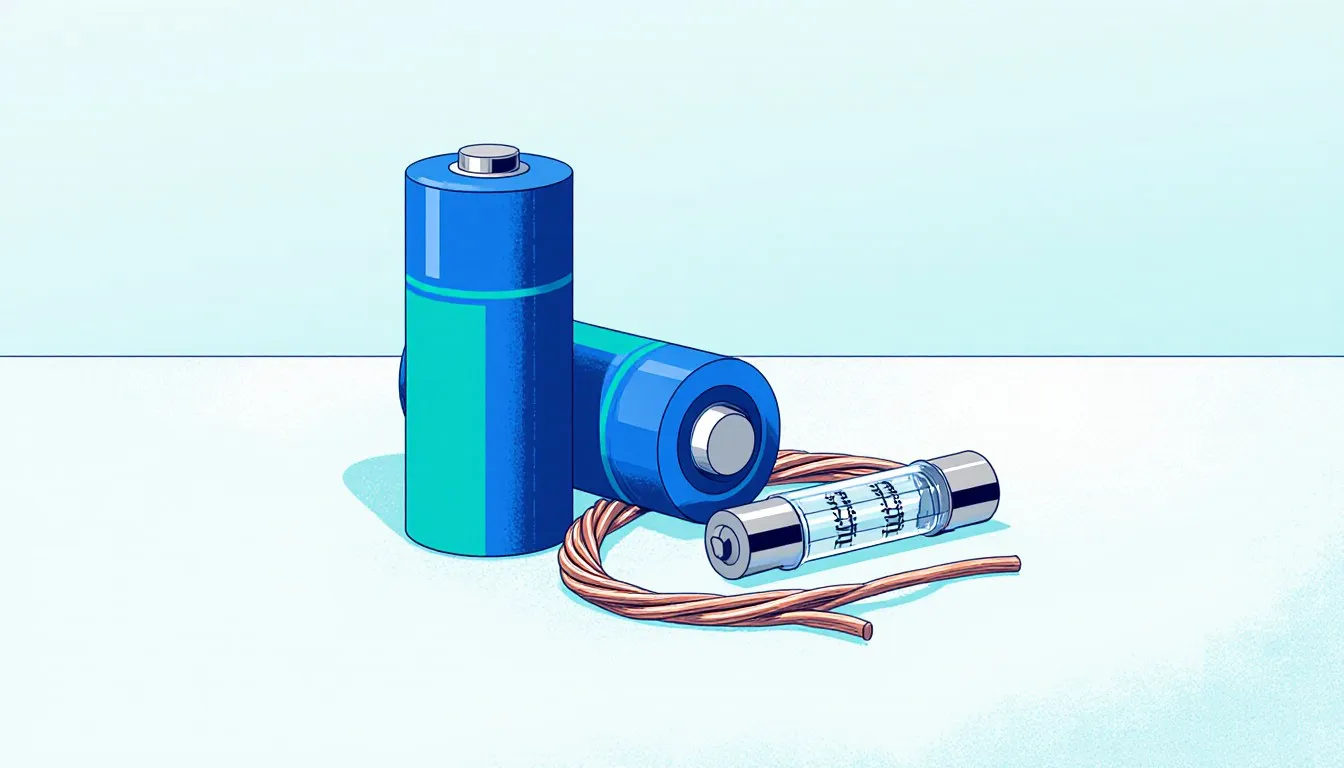
Fuse
Disconnects the circuit if current exceeds threshold value
Electric bell
Produces sound (ringing) when activated
Buzzer
Produces sound (buzzing) when current is applied
Bus
Collection of wires
Optocoupler
Isolates two circuits on a single PCB
Loudspeaker
Converts electrical signal to sound waves
Microphone
Converts sound waves to electrical signals
Operational Amplifier
Amplifies input signals
Schmitt Trigger
Removes noise from input signal
Analog-to-digital Converter
Converts analog signal to digital signal (numbers)
Digital-to-analog Converter
Converts digital signal to analog signal
Crystal Oscillator
Generates frequency clock signal
Antenna
Sends and receives radio waves
Alternating Current (AC)
Supplies current with continuously changing direction
Direct Current (DC)
Supplies current with constant direction
Circuit Breaker
Disconnects the circuit when current crosses threshold value
Earphone
Converts electrical energy to sound waves
Current Transformer
Produces low current when input current is high
Voltage Transformer
Reduces voltage to lower level when it increases beyond safety limits
Every symbol on that chart, from the transformer to the AC source, stands in for a small piece of electricity and magnetism, drawn as a single line.