Math is the one subject where "when will I use this?" has a concrete answer, usually at the worst possible moment: splitting a bill, resizing a recipe, judging whether a statistic is lying to you. This shelf keeps the answers ready, worked through with examples instead of drills.
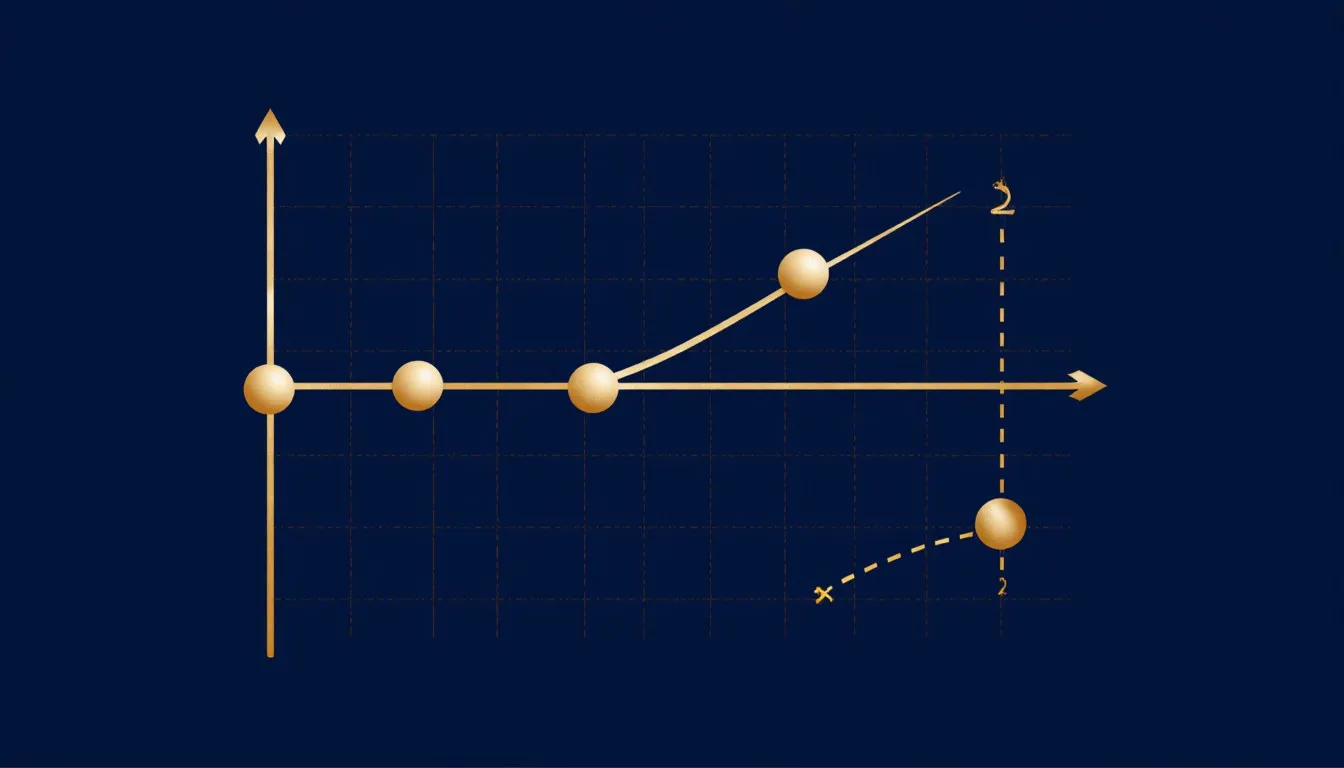
The how-to guides cover the calculations that actually come up, from percent change and mean deviation to significant figures and unit conversions. The concept entries take on the ideas behind the procedures: what a theorem actually claims, why the golden ratio shows up uninvited, how interpolation differs from extrapolation and when each one is trustworthy. Symbol and formula references round out the shelf for quick lookup.
The featured guides above collect the most-used references. For everything else, the list runs from adding exponents to Venn diagrams. Check your work, and check your units; the second one catches more errors than the first.