
When Was Electricity Discovered? The Timeline, 600 BC Onward
Electricity was discovered rather than invented. The trail starts with Thales of Miletus describing static charge around 600 BC and runs through Gilbert, Franklin, Faraday, Edison, and Tesla.
Electricity was discovered, not invented, and no single person or year owns it. The short answer to when: 600 BC, when Thales of Miletus described amber picking up light objects after being rubbed, which is static electricity. The milestones after that:
- 600 BC: Thales of Miletus records static charge on rubbed amber.
- 1600: William Gilbert coins the English word electricity.
- 1745: Pieter van Musschenbroek builds the Leyden jar, the first store of charge.
- 1752: Benjamin Franklin shows that lightning is electrical.
- 1800s: Faraday works out electromagnetic induction, and Edison and Tesla turn it into commercial power.
It will not be wrong to describe electricity as being ubiquitous! Think of any of the everyday appliances. Most of them run on electric power. We are using electricity literally every moment! If you look around at any given time, you will find at least one appliance that’s using electricity! George Carlin says, “Electricity is just organized lightning”. That’s true. Let’s now see what it took to organize lightning into modern-day electricity and who all contributed to its discovery.
There’s no one-word answer to ‘who invented electricity?’. The discovery of electricity was rather a chain of inventions that led to the modern-day use of electric power. Lightning is the purest and most basic form of electricity. It required great effort to bring this energy in everyday use. Here we give you some of the most notable names in the history of how electricity was harnessed. Benjamin Franklin is credited with the discovery of electricity through his well-known experiment of flying a kite during a thunderstorm.
A Timeline of Electricity’s Discovery
# The invention of electricity dates back to 600 BC when Thales of Miletus wrote about the charging of amber on rubbing it. This was, what we now refer to as static electricity.
# In 1600, William Gilbert first translated the Greek word ‘amber’ to the word ‘electricity’ in English. He, for the first time used this word.
# Otto von Guericke invented a machine that produced static electricity in 1660.
# In 1675, Robert Boyle observed electric forces of attraction and repulsion transmitted through vacuum.
# Stephen Gray’s discovery of the conduction of electricity in 1729, gave a new dimension to the idea of electricity.
# 1733 was the year when Charles Francois du Fay found out that electricity comes in two forms. He called them, resinous (-) and vitreous (+). They were later renamed as negative and positive, by Benjamin Franklin and Ebenezer Kinnersley.
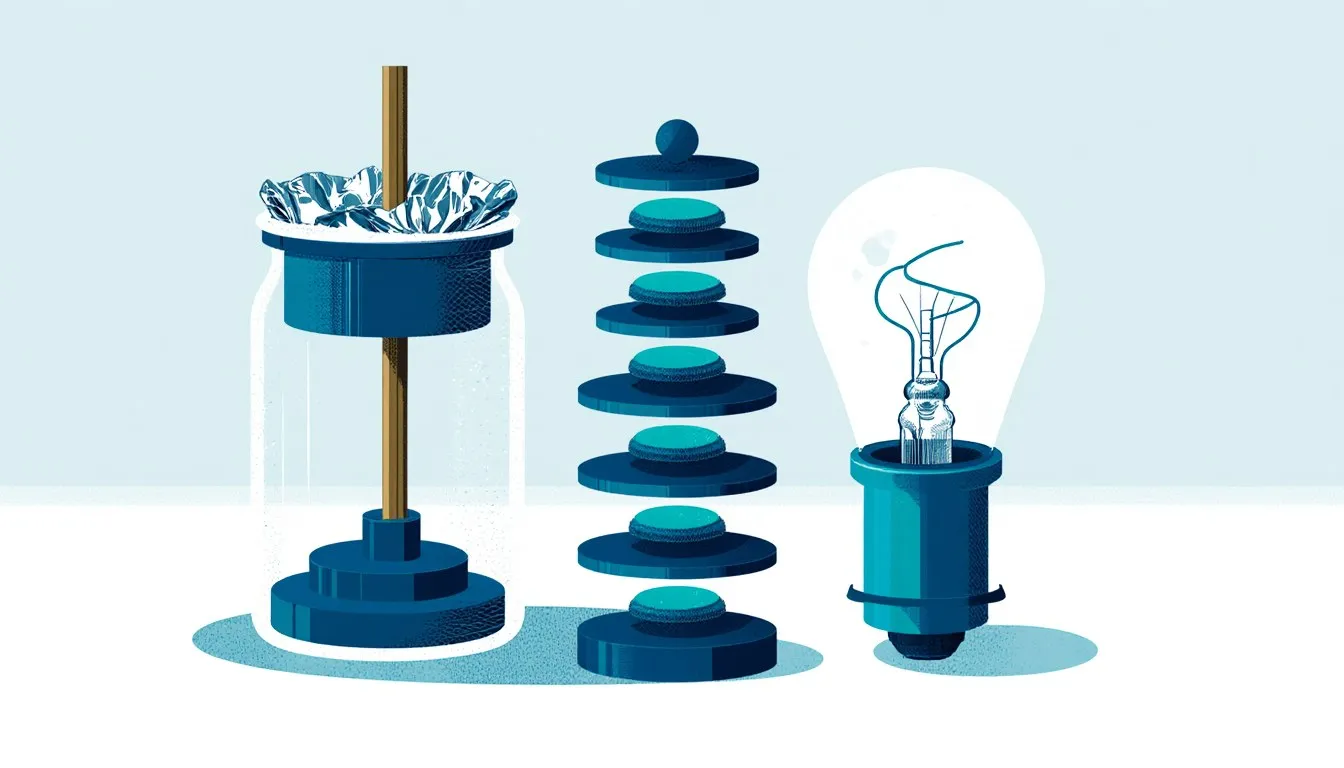
# In 1745, Pieter van Musschenbroek invented the Leyden jar. A Leyden jar stored static electricity, which could be discharged at once.
# One of the major discoveries in the history of electricity, was that of Electromagnetic Induction. It led to the comprehension of how electric currents work.
# In 1747 William Watson showed how a Leyden jar could be discharged through a circuit. The understanding of the terms ‘current’ and ‘circuit’ proved to be a breakthrough to further experimentation.
# On June 15, 1752, Benjamin Franklin, promoted his theory, that lightning was electrical, through his experiment of flying a kite during lightning. In appreciation of his work with electricity, Franklin was elected a Fellow of the Royal Society and was honored with the Copley Medal in 1753.
Faraday and Other Key Contributors
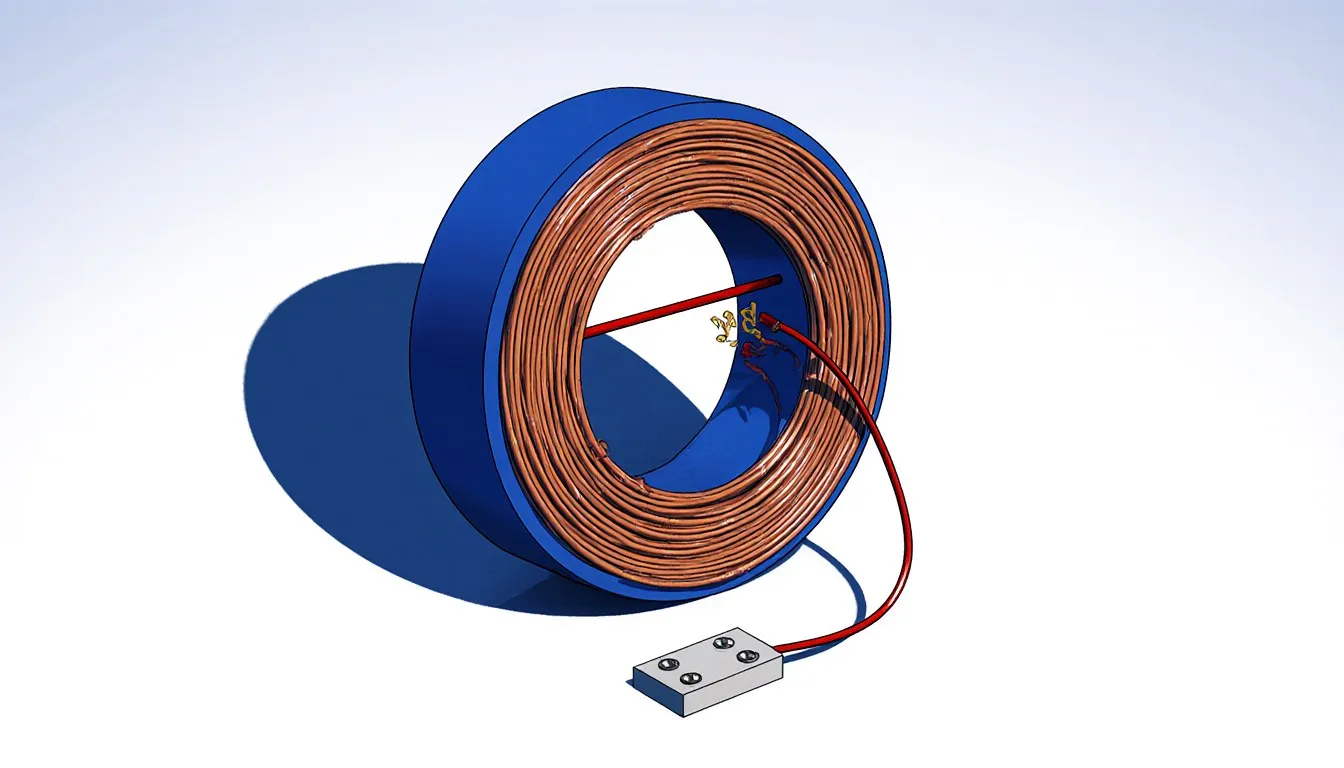
# Michael Faraday discovered that moving a magnet inside a wire coil could generate electricity. He was then able to build the first electric motor. He later built a generator and a transformer. This has become his valued contribution to the field of electromagnetism.
# Henry Cavendish of England, Coulomb of France, and Luigi Galvani, an Italian physician contributed towards devising practical uses of electricity.
# The concept of conductivity relates to the ability of a substance to carry electric current. Henry Cavendish, in 1747, started measuring the conductivity of various materials and published his results.
# Coulomb mathematically articulated the attraction between electrified bodies. This laid the foundation of quantitative study of electricity.
# Back in 1786, Luigi Galvani established what we now recognize as the electrical basis of nerve impulses. Galvani demonstrated the twitching of frog muscles by jerking them with a spark from an electrostatic machine.
# Girolamo Cardano from Italy, perhaps for the first time distinguished between electrical and magnetic forces through his writings.
# Volta discovered that chemical reactions could be used to create cathodes and anodes. The difference of electric potentials between them could lead to the flow of a current between them. The unit of potential difference has been named as ‘volt’ in his honor.
From the Light Bulb to Commercial Power
# Thomas Edison made a major contribution to the harnessing of electricity. He boasts of his long-lasting discovery of the electric bulb.
# A relatively recent (19th century) but very significant contribution to the discovery and use of electricity is the development of commercial electricity. And the one man this credit goes to, was Nikola Tesla, a mechanical and electrical engineer and inventor. His works led to the development of modern-day electrical systems that use alternating current.
The Legacy of Electricity’s Discovery
Thus we see, that the history of electricity runs right from the period before Christ up to the Computer age of today. We owe to a certain extent, our ‘electrified lives’ to those who discovered electricity. Thanks to them, the lightning of the skies was put to good use on Earth, in the form of this brilliant energy we can’t imagine living without - electricity!
Electricity and magnetism stayed separate stories until Faraday showed that a moving magnet could generate a current.