


Uses of Limestone
While most of us believe that the use of limestone is restricted to architecture and construction, the fact is that it is used in various other fields.
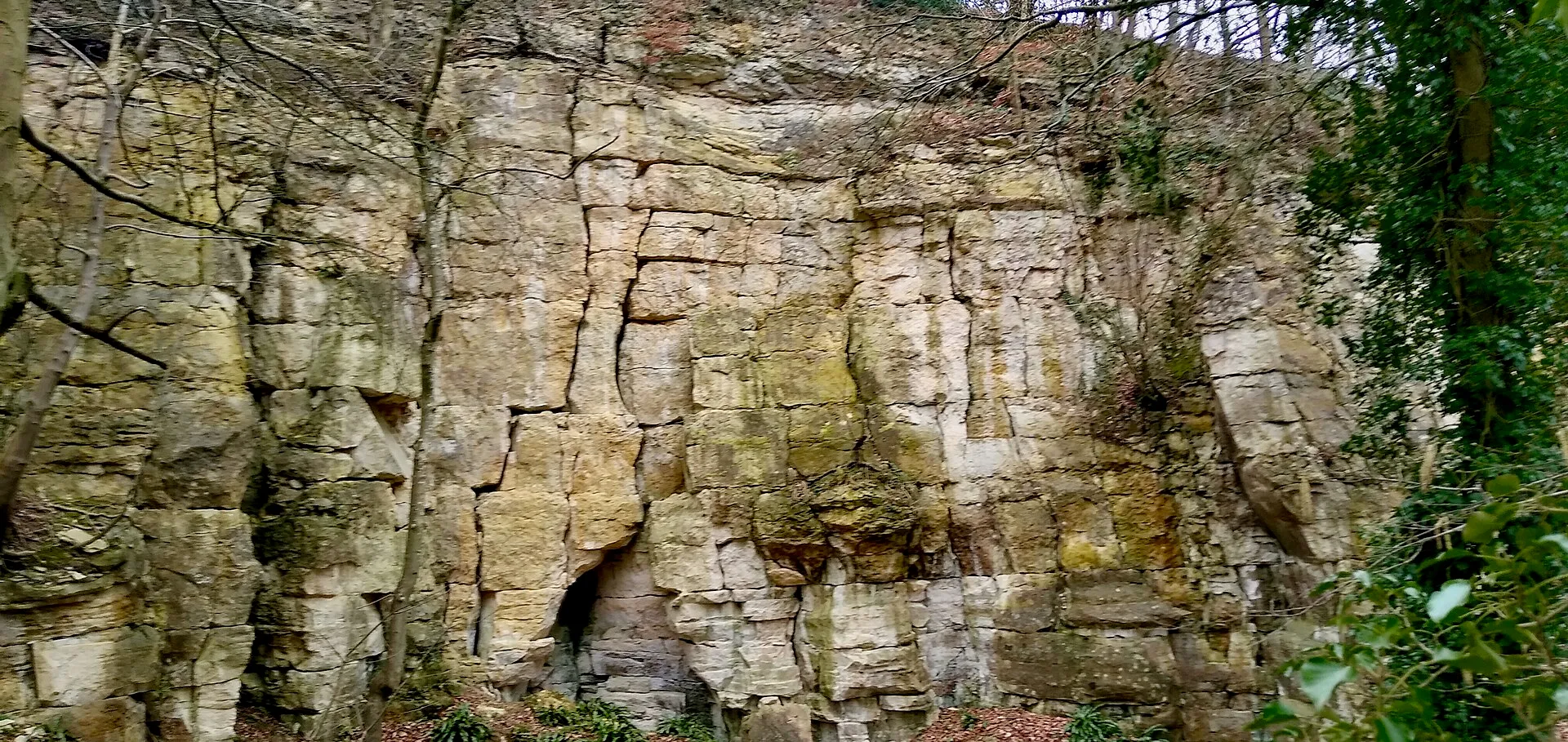
The first thing to come to your mind when we say limestone, is likely to be its use in construction. It’s isn’t surprising considering that architecture (or construction) is one of those fields which are dependent on this sedimentary rock type to a great extent. However, there do exist various other uses of this rock type; quite a few of which are very common in our day-to-day life.
Limestone Facts
Limestone rock is a sedimentary rock which forms in the process of sedimentation at the bottom of lakes and oceans, or in caves. It is mainly composed of mineral calcite and aragonite, both of which are crystal forms of calcium carbonate. A limestone with 95 percent or more of calcium carbonate by weight is known as a high-calcium limestone. Its properties such as hardness, compactness, imperviousness, and durability have a crucial role to play when it comes to its uses.
As far as texture is concerned, limestone varieties vary between very fine-textured rocks to coarse-textured rocks. The low porosity of these rocks reduce their water absorption capacity to 1 percent, thus making them weather resistance. All these chemical and physical properties make it one of the most useful types of rock on the planet.
Limestone Uses
Some of the most prominent landmarks in the world, including the Pyramid of Giza in Egypt, are made from limestone. While its use in architecture is seen all over the world, the practice is most popular in North America and Europe. Interestingly, the Canadian city of Kingston in Ontario province has so many buildings made from this rock type, that the city itself has been nicknamed the Limestone City.
Other than its direct use in construction, this rock is also used in production of Portland cement, which is a vital component in the field of construction. Furthermore, it is also used to build roads and railroads, wherein it is used in crushed form to lay the foundation.
Not many people out there would need an introduction to limestone countertops, which add to the grace of your kitchen. The use of minerals such as calcite and dolomite, which are found in abundance in limestone rocks, is also quite popular. These minerals are used in the process of manufacturing products of daily use such as paper, baking soda, detergent, glass, textiles, etc. They are also used in toothpaste wherein they work as filler, white pigment, and abrasive. The use of these minerals is observed in products like pharmaceuticals, cosmetics, fertilizers, paint, varnish, etc.
The uses of this rock in powder form can be traced to coal mines (wherein it is used to control coal mine dust) and power plants (wherein it is used to collect sulfur dioxide.) It is also used in purification of molten glass and molten iron. The use of limestone in steel making along with iron ore and coke is also quite popular. In its pulverized form, it is used as a soil conditioner to neutralize highly acidic soil.
Additionally, the erosional landforms carved out of limestone rock, known as karst in geology, play an important role in natural landscaping. If geologists are to be believed, its geological formations are the best petroleum reservoirs on the planet.
Limestone earns its place among igneous sedimentary and metamorphic rocks as the sedimentary member best known for uses in construction, cement, and glass.