


Uses of Galvanized Steel
Read the following article to gain more information about galvanized steel and its various uses.
Galvanization refers to a process, by which steel is covered with a layer of zinc via a chemical reaction. This ensures that the steel does not get corroded by rust. This process is named after its inventor, an Italian called Luigi Galvani.
Preparation Process
Galvanized steel is mainly manufactured by a method known as ‘Hot Dipped Galvanization’ process. In this technique, the steel is passed through a bath of molten zinc, and the zinc is usually maintained at a temperature of 860 degree Fahrenheit. After this, the steel gets coated with zinc, and is exposed to the atmosphere. Then, the zinc reacts with oxygen in the atmosphere to form zinc oxide. It further reacts with carbon dioxide in the atmosphere to form zinc carbonate, and this forms a dull gray layer on top of the steel. The carbonate layer prevents the steel from being exposed to corrosion or rust. Thus, the zinc layer has now become a part of the steel, and hence, it is also referred to as the ‘sacrificial anode’ layer.
Forms and Uses
- Galvanized steel is available in a variety of forms, such as galvanized pipes and galvanized wire.
- Galvanized steel frames are used to build houses.
- Car parts are made out of this type of steel (for example, the body parts of trucks and buses).
- Galvanized metal has found its way into several household appliances, such as washing machines, air conditioning housings, hair dryers, computer parts, etc.
- It is used in high tension electrical towers, protective gears, and highway signs.
- This alloy is used extensively for making wrought iron gates, and other related items like door and window bars.
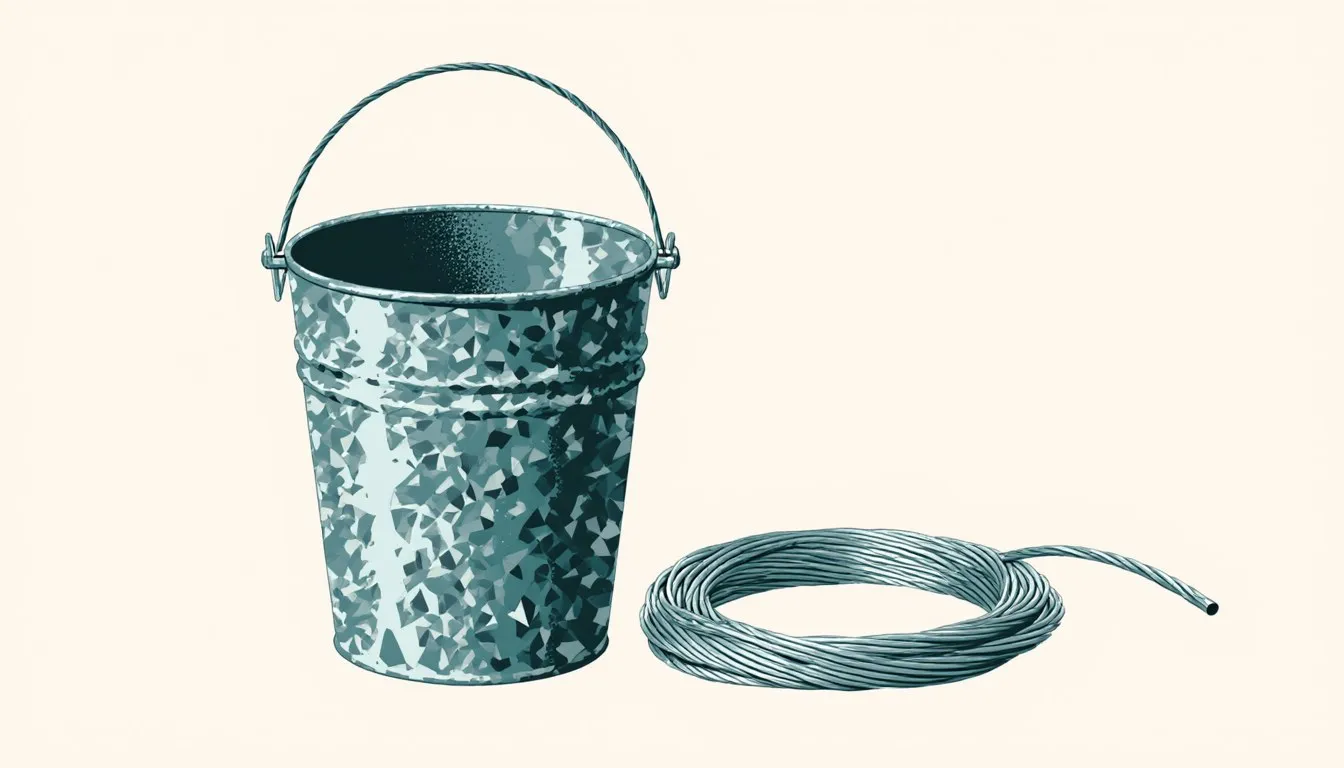
- Various types of metal pails and buckets are made using this type of steel.
- During the time when the method of galvanization of steel was invented, it was used to make ornaments that could be hanged on walls and roofs, and also for making door and window coverings that protected them from destructive elements like wind and rain.
- This variety of steel is also extensively used in manufacturing of steel nails using hot dipping method.
- Nowadays, the coverings of gutters and manholes that are present on roads are also made by using galvanizing steel. The anti-rust mechanism is quite applicable for such items that have a high chance of coming in contact water, due to the proximity of the underground sewers and waste pipelines.
- Many commercial buildings have an exterior layer of galvanized steel, mostly on the walls and pillars, to protect the entire structure form rusting and corrosion. Also, the typical appearance of this alloy imparts the the constructed buildings with an ability to merge with the surrounding structures.
Less expensive, permanent protection, fast rate of assembly, etc., are some of the major advantages of galvanized steel. Hence, this alloy is extensively used in numerous applications, and has formed an integral part of our daily lives.