


Oxygen Analyzer Features and Uses
What is an oxygen analyzer? This write-up will tell you about its features and uses. Have a look...
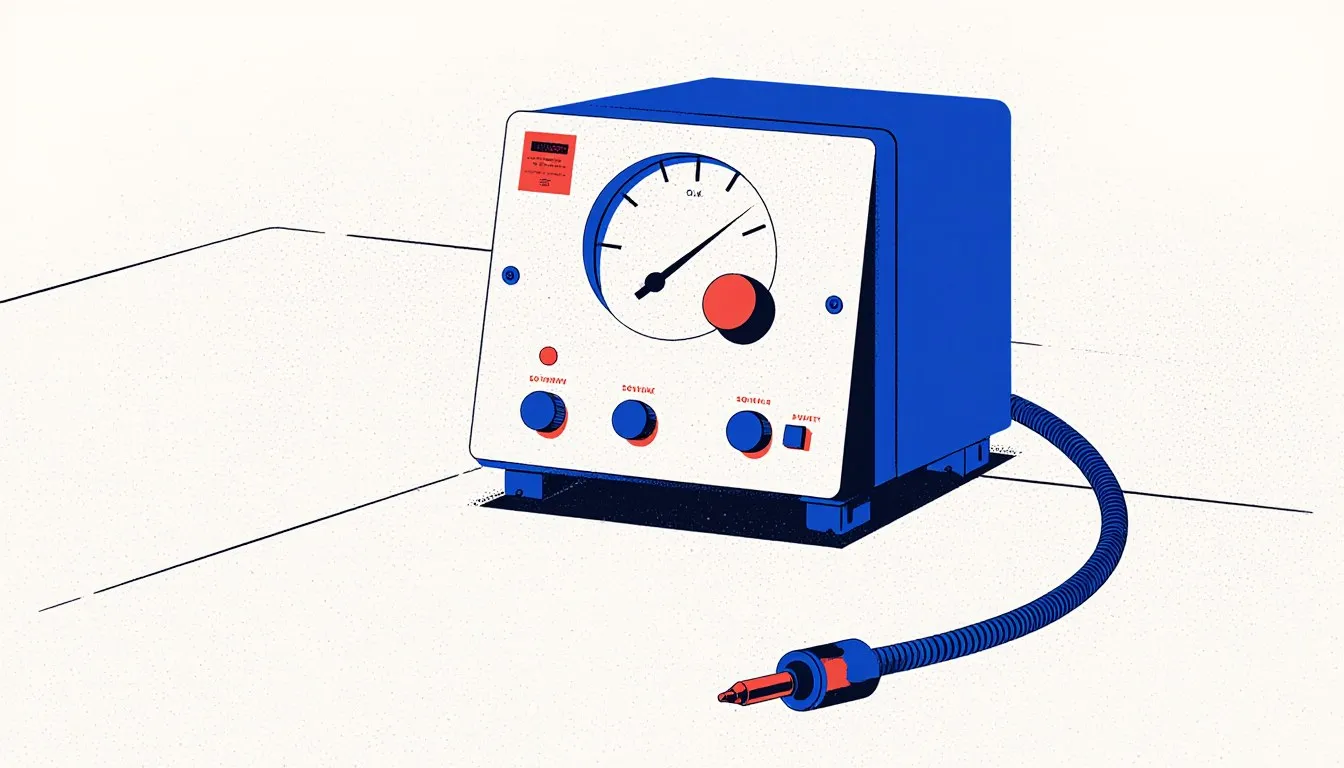
An oxygen analyzer is a device that measures the level of oxygen in a system, therefore determining if the level needs to be increased or not. It uses a kind of oxygen sensor for its functioning. An analyzer uses a sensor cell constructed of ceramic material to measure oxygen level. Recently, since industrial, vehicular, or rather all types of emissions are given more emphasis so as to decrease pollution, industrial users want the analyzers to be more accurate in their measurements. Regular users also want the device to be more calibrated and in need of less maintenance.
Types
These are the different types available:
- Ambient temperature oxygen analyzer
- Electrochemical oxygen analyzer
- Paramagnetic oxygen analyzer
- Polarographic oxygen analyzer
- Zirconium oxide oxygen analyzer
Uses
Oxygen analyzers are used for combustion monitoring and keeping a control over it in a range of applications, and to help industries considerably in saving energy. Their applications vary from energy-consuming industries to various combustion facilities. They are used in industries such as iron and steel, electric power, oil and petrochemicals, ceramics, pulp and paper, food and textiles, and in facilities such as incinerators and small or medium-sized boilers. Besides, monitoring and controlling the analyzer also helps in lowering the amount of carbon dioxide, sulfur dioxide and nitrogen oxides in emissions by resisting the incomplete combustion of fuel, therefore lessening global warming and air pollution.
Features
Oxygen analyzers have advanced solid-state sensors, which help get a very high precision measurement of oxygen. They also measure the part of oxygen per billion to hundred percent, thus, there is no need to get another instrument to do that. With the help of one instrument only all the information can be received. They have the ability to respond very quickly, in fact, in milliseconds, which not only saves time and increases efficiency, but also lets the facility track the process conditions competently and methodically. Often, they have a non-depleting sensor, which performs well for a long period of time, thus saving time and energy to research on a new analyzer or sensor, and money to invest in a new one. Outputs provided by the analyzer are user scalable and analogous, which have the ability to define the concentration range of interest in a better way. There are dual user adjustable alarms, which set critical process limits. A microprocessor controller is also present, which helps in ensuring dependable and accurate readings. There is also a built-in sample bypass gas, which helps promote rapid transport of the sample gas. Most analyzers are very compact and durable. They are easy to operate, splash proof, they have a built-in flow restrictor, and sensor and battery replacement are also easy to do. The battery time is around two years. AAA batteries are used, which are inexpensive and easy to use. With some, a deluxe carrying and storage case also comes, which makes it convenient to carry.