



Static Vs. Rotary Phase Converters
Phase converters are devices that aim at transforming a single phase power to three phase electricity. In this article, we discuss why rotary phase converters are preferred over static converters.
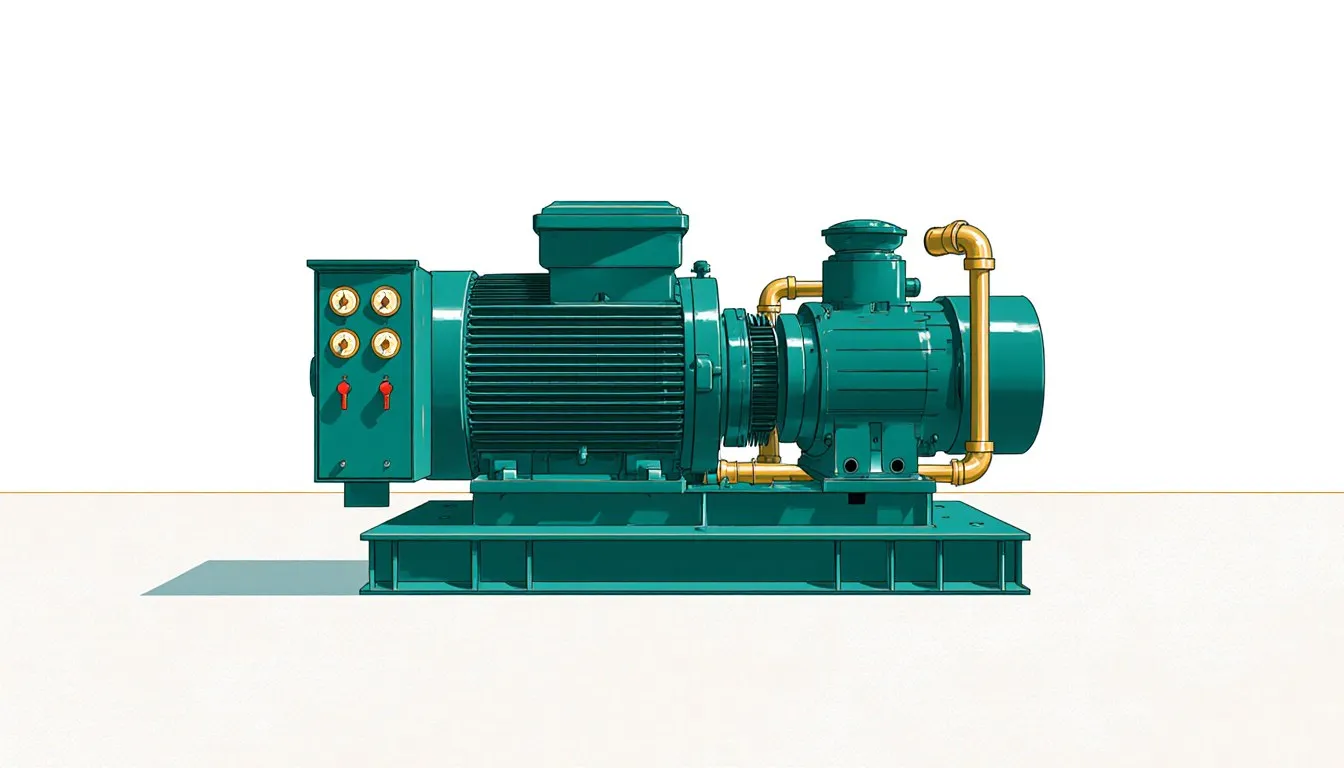
Phase converters are used to run machinery by converting single phase electricity to three-phase power. There are different types of phase converters. Static, rotary and digital phase converters are the three-phase converters used. However, the most widely used phase converter is the rotary phase converter. Static phase converters have the ability to fire up engines, contrarily, the rotary phase converters are employed to convert single phase power to three-phase power. Digital phase converters rank high, where economical feasibility is concerned. In this article, we discuss the difference between rotary and static phase converters. We also look at the advantages of using a rotary phase converter over a static phase converter.
Static and Rotary Converters - A Comparison
A static phase converter helps a device or an equipment to kick-start. They have a simple construction with a capacitor starting circuit that forces the 3-phase converter to start immediately. The static phase converters do not aid machinery to run for long hours, instead, it only functions as a start-up device for the machine.
A rotary phase converter is a converter that aids in converting a single phase power to a three-phase power. They are capable of running large machinery, for a longer period. It is highly efficient in voltage management, thereby balancing and maintaining power distribution.
Advantages of Rotary Phase Converters over Static Phase Converters
Functionality
The function of the rotary phase converter is to transform a single phase power to a three-phase power. On the other hand, the static phase converters discharge its capacitor circuit to manage an efficient start. The power that is produced by the static phase converter suffices the start-up of the machinery for a few seconds, whereas, the rotary phase converter aids in the running of the machinery throughout. To fully understand the dynamics behind a rotary phase converter, you need to predominantly understand the working of a rotary phase converter.
Distribution of Power
A static converter has a simple background on which it works. It does not produce a thorough three-phase power due to which the distribution of voltage and power is inefficient. In terms of a rotary phase converter, the distribution of power is even and highly efficient. A motor has the capacity to run for a short while with the static phase converter providing power, however, with rotary phase converters, the time period for which the machinery runs is substantial as the machinery runs on full horsepower.
Span of Control
By span of control, we mean the number of equipment that the static phase is in a position, to manage. For static converters, more than one equipment will not be able to function at one point of time. The rotary phase converters are able to control and manage multiple machines at a given point. Thus, static converters should only be employed for machinery that requires less horsepower. Rotary converters can manage large machinery and can be employed for grinders, welding, industrial ovens, wood working and sanders.
Reliability
A combination of equipment can work on a rotary phase converter without proving to be a disastrous bet for the machinery. Due to the rotary converters being efficient in distributing balanced power, there are no cases of machinery damage. With static converters, this condition may not hold true. The static phase converters tend to deteriorate and further worsen the condition of machinery due to over heating. They are thus not suitable for higher machinery load.
Through this article, we now know how rotary phase converters can prove to be more advantageous than static phase converters. Don’t we?