When it was first discovered, plastic was hailed as one of the best human inventions of all time. It was easy to produce, durable, and lightweight. It didn’t take long before plastic-based products dominated shelves across the globe.
Fast-forward fifty years and we’re now struggling from a plastic overdose. Most of the plastic produced ends up in landfills around the globe, where it struggles to biodegrade. Plastic filaments are filling up our oceans, our forests, the animals that live on the planet, and even the human body.
It doesn’t take much to recognize that we have a problem with plastic. But, rather than focusing on the problem, progressive scientists, researchers, and individuals are focusing on the solution.
One part of the solution might lie in an exciting new discovery: a caterpillar that can actually digest plastic.
The Great Wax Moth Larvae
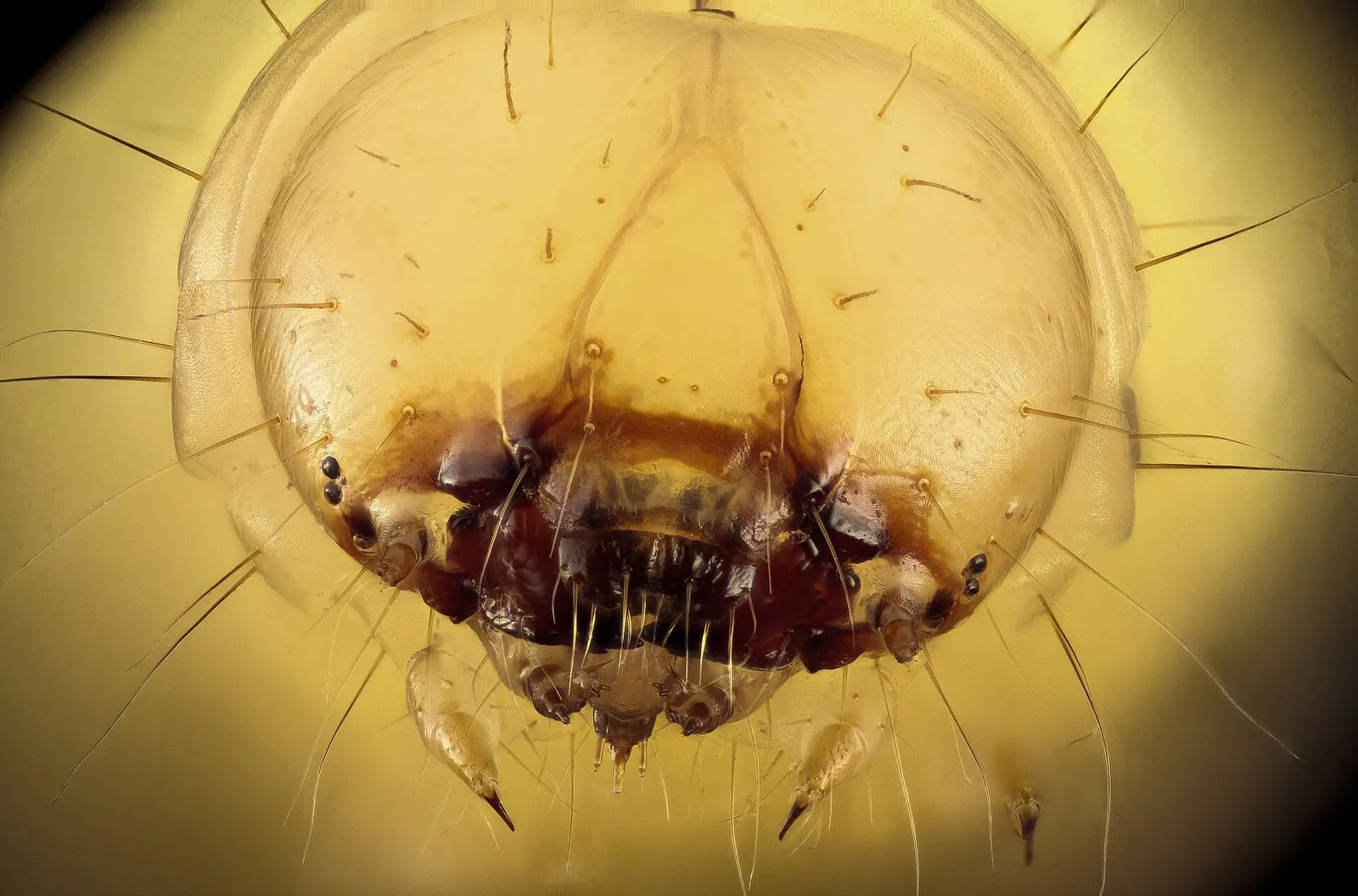
One of the most exciting discoveries in the realm of plastic waste reduction is the digestive capabilities of a worm - the larvae of the greater wax moth, to be specific.
This little worm is part of a group of living creatures that are referred to as plastivores: creatures that can actually digest plastic (and seem to enjoy doing so, as well).
Prior to this discovery, most of the organisms classified as plastivores were fungi and bacteria. These living organisms are able to metabolize plastic and turn it into usable energy.
Understanding Plastic Digestion
These researchers weren’t jumping to the conclusion that we can reduce our plastic problem just by throwing wax moth larvae at it. Rather, they were keen to learn about how these creatures were actually capable of digesting plastic. Maybe if we learned a bit more about how these organisms consumed plastic, we could take a few tips from nature and develop a more sustainable and productive method of reducing plastic waste.
Researchers decided to isolate some of the larvae’s microbiome - the bacteria in its digestive tract - and figure out which ones were most effective at consuming plastic. They discovered that one of the larvae’s bacteria was actually capable of surviving solely on plastic for at least a year.
One of the most interesting things that the researchers discovered was that these caterpillars actually had a healthier microbiome when they consumed plastic. That means that when they ate more plastic, they became better equipped at digesting it.
The Link Between Plastic and Honey
Wax moth larvae, or waxworms, are most commonly known as the pests that attack beehives and eat the honeycomb within. Herein lies one of the secrets of their amazing capabilities.
Honeycomb is a very interesting material that is composed of long chains of hydrocarbons. Do you know what else is made up of hydrocarbons? Plastics.
Because of their innate ability to consume and digest honeycomb, these worms are predisposed to eat plastic. Because of this, they can actually utilize plastic as a source of nutrition.
A Step Towards a Solution
Researchers found out that about 60 waxworms could only eat a piece of polyethylene plastic the size of a matchbook over the course of a week.
Naturally, this isn’t efficient enough to solve the plastic crisis. However, researchers recognize that if they can understand and mimic the biological process that helps these worms metabolize plastic, perhaps they will discover a more sustainable solution to help us manage our plastic waste.