


What Did Albert Einstein Invent
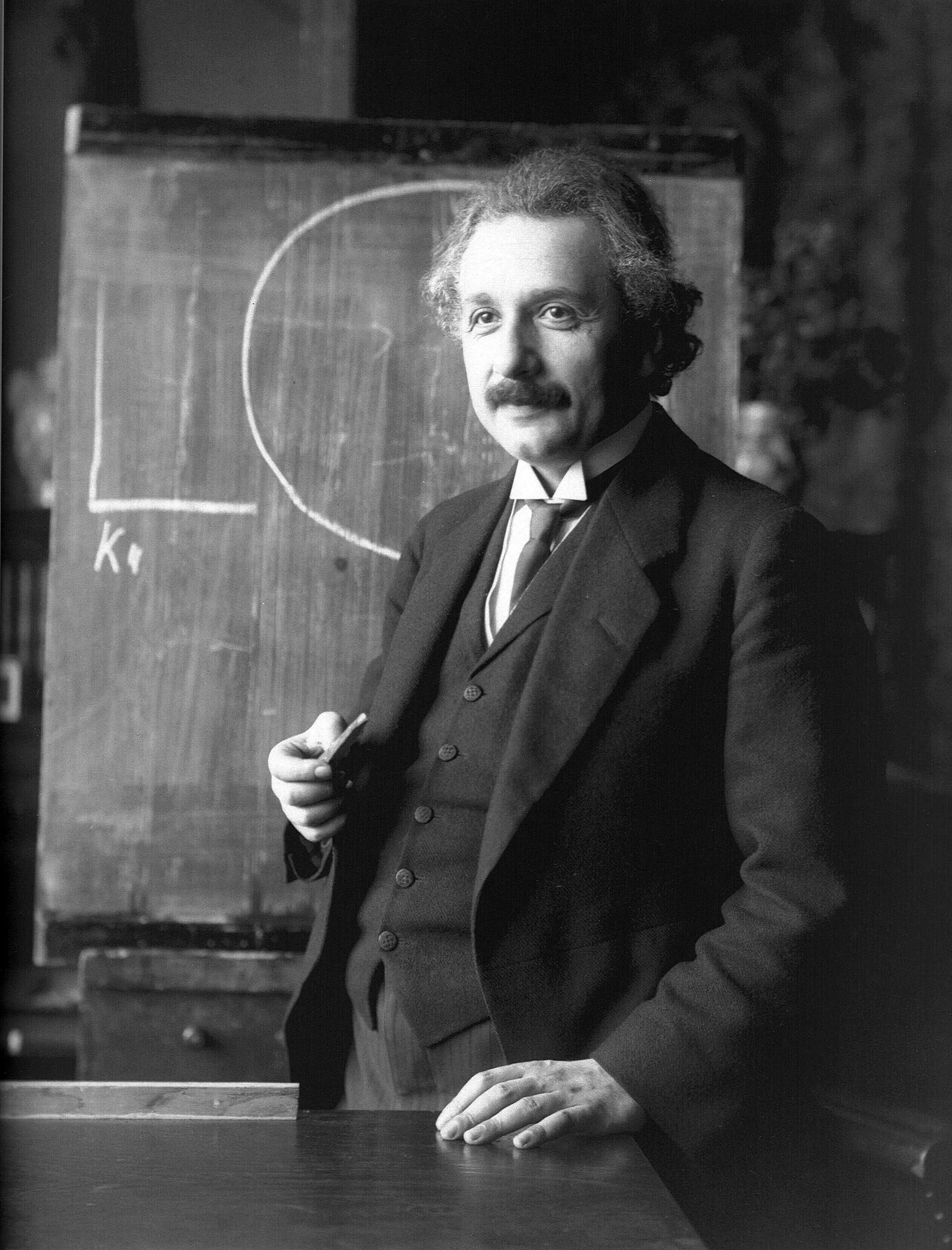
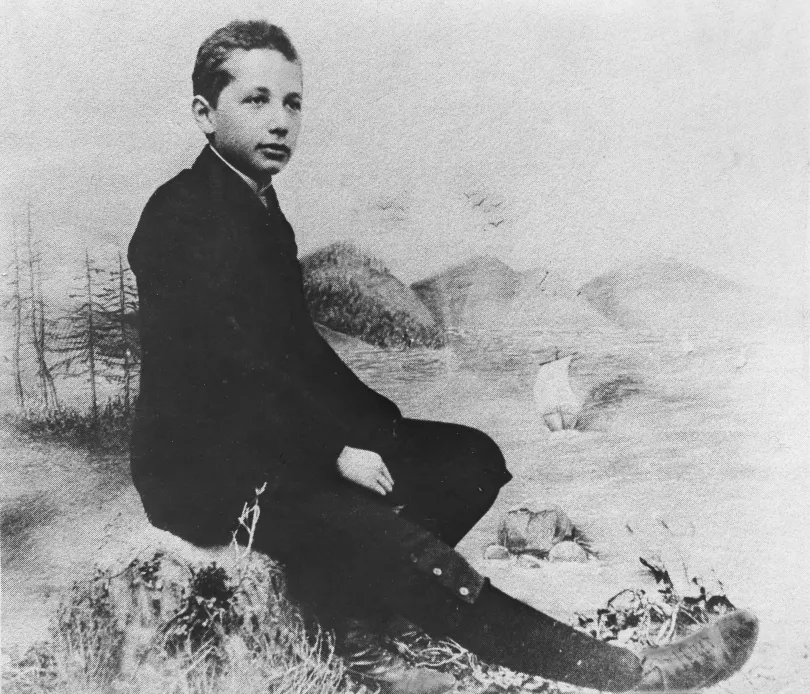
Most famous for his theory of relativity, Albert Einstein, considered eccentric by many, was a winner of the Nobel Prize for Physics. It may come as a surprise for you, but some of his theories and inventions are in use even today.
Did You Know?
An eminent physicist and a Nobel Prize winner, Einstein is regarded as the Father of Modern Physics.
Undoubtedly, one of the most influential people in history, Albert Einstein was an American physicist renowned for his contributions in the field of science. Some of his prominent works include the theory of relativity, prediction of the deflection of light by gravity, explaining planet Mercury’s perihelion, the quantum theory of atomic motion in solids, etc. He was also involved in some inventions and discoveries directly as well as indirectly.
What Did Albert Einstein Invent or Discover?
The difficulty in answering the intricate question about Einstein’s inventions can be attributed to the fact that he was a physicist, and not a scientist. Although, he has to his credit, the invention of Einstein refrigerator, his claim to fame was various theories which revolutionized science. Given below are some of his most prominent accomplishments.
Einstein Refrigerator
One of the less-known facts about Einstein is his invention of a refrigerator. Einstein worked on it along with his former student Leó Szilárd in 1926 and got it patented in 1930. It was an absorption refrigerator which only required a source of heat to operate. The refrigerator was later reconstructed by the scientists at Oxford University, who named it the Einstein refrigerator. Upon its reconstruction, Einstein refrigerator was ranked at the 31st position in the Time Magazine’s Top 50 Best Inventions of 2008.
Photoelectric Effect
In 1905, Albert Einstein propounded the photoelectric effect, one of the earliest applications of quantum theory, wherein he stated that light is made up of discrete quanta and not continuous waves. He further said that the energy in each of these quantum is proportional to the frequency of radiation. This was contradictory to the age-old theory about the wave nature of light energy.
Not many people believed in this theory until about a decade later, when Robert Andrews Millikan, another American physicist, proved it through his experiments. These efforts by Einstein played a vital role in the development of quantum theory (quantum mechanics), and he was awarded the Nobel Prize in Physics for it, in 1921.
Theory of Relativity
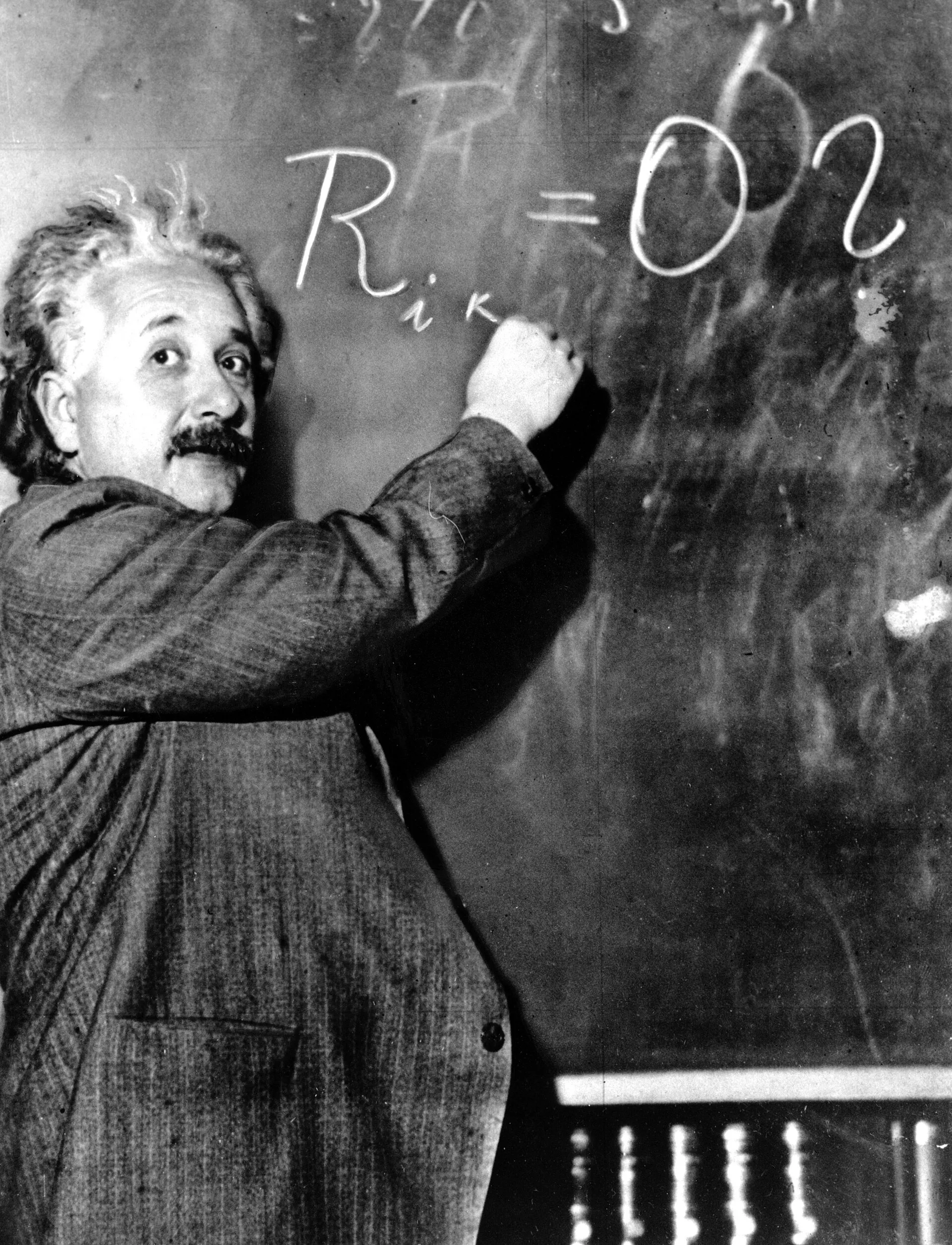
The phrase ‘theory of relativity’, encompasses two theories propounded by Albert Einstein: (i) the Theory of Special Relativity and (ii) Theory of General Relativity. Through his Theory of Special Relativity, Einstein stated that ...
- The speed of light in vacuum is constant.
- The laws of physics are invariant in all inertial systems.
One of the most famous formulas in the world of science, E=mc2 was developed by Einstein to support his theory of relativity. This formula conveyed that energy is equal to the mass multiplied by the speed of light squared. It implied that a small mass can produce enormous amount of energy, if it is moving at a very fast pace (speed of light).
Role in the Development of Atomic Bomb
One of the most destructive inventions of the 19th century was the atomic bomb. Though Einstein himself didn’t play an active role in the invention of this weapon of mass destruction, his theories about the relationship between mass and energy as well as the letter to the then President of the United States, Franklin Delano Roosevelt, in which he urged the US government to develop the weapon, did play a significant role in the dreaded invention.
His formula E=mc2 was the driving force behind the development of the atom bomb, which shocked the world conscious during World War II. Einstein did describe his participation in the development of the atomic weapon as one of the biggest mistakes of his life, but it was too late by then.
Besides these accomplishments, Albert Einstein also published works and papers which speak volumes about his contribution to the field of science. Widely popular for his supreme intelligence, there remains little doubt that this man and his work have had a great impact on mankind.