

Metric Measurements: Units, Prefixes, and Conversions
Metric units step in powers of ten: 10 mm = 1 cm, 100 cm = 1 m, 1,000 m = 1 km, and 1,000 g = 1 kg. Crossing systems, 1 inch = 2.54 cm and 1 pound = 0.4536 kg.
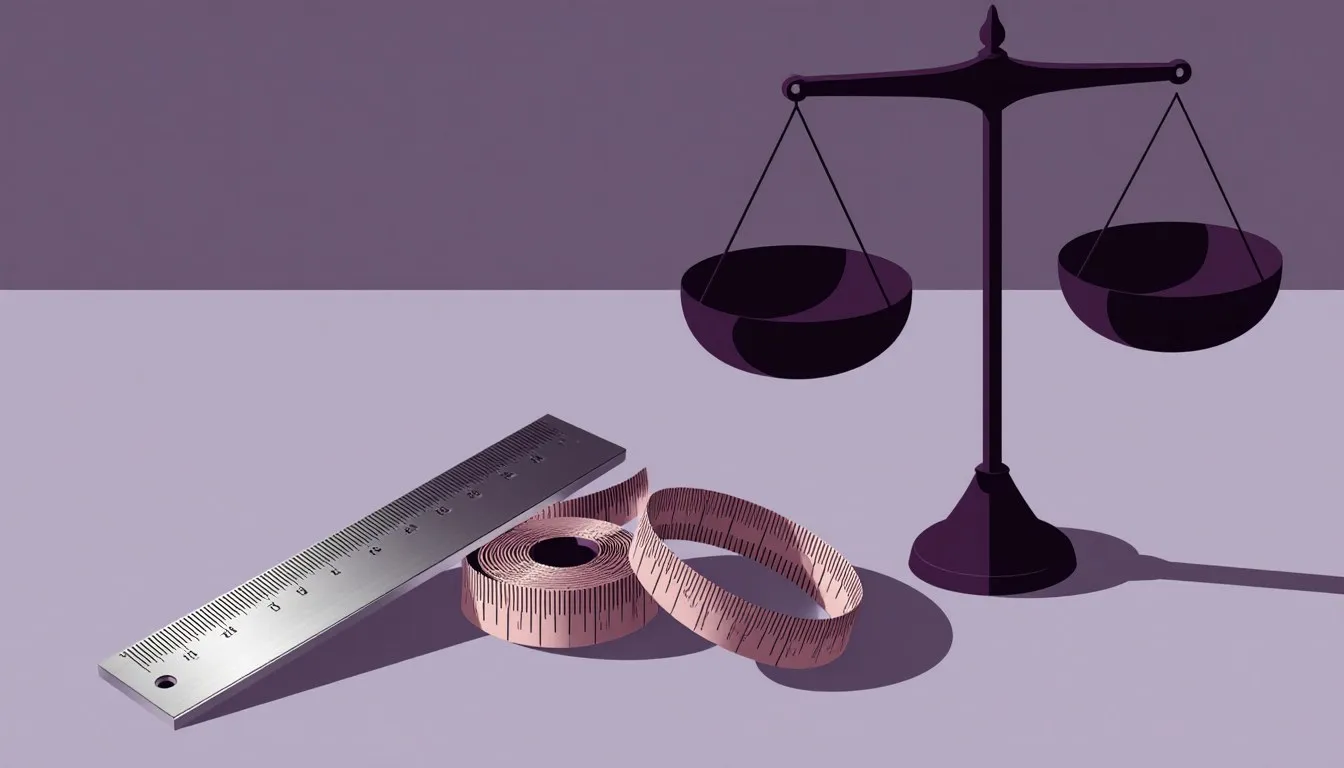
Metric units all step by powers of ten, which is what makes them easy to convert: 10 millimeters make a centimeter, 100 centimeters make a meter, and 1,000 meters make a kilometer. The conversions people look up most:
| Length | Mass | Capacity |
| 1 inch = 2.54 cm | 1 ounce = 28.3495 g | 1 gallon = 3.7853 liters |
| 1 foot = 0.3048 m | 1 pound = 0.4536 kg | 1 liter = 1.0567 quarts |
| 1 mile = 1.6093 km | 1 kilogram = 2.2046 lb | 1,000 ml = 1 liter |
| 1 meter = 3.2808 ft | 1 gram = 0.0353 oz | 10 deciliters = 1 liter |
| 1 kilometer = 0.62137 mile | 1,000 kg = 1 ton | 20 fluid ounces = 1 pint |
The metric prefixes work the same way throughout: kilo is a thousand, hecto a hundred, deca ten, deci a tenth, centi a hundredth, and milli a thousandth. Full unit and conversion tables for length, mass, capacity, and area follow below.
The metric system was devised by a French chemist called Lavoisier in the 18th century. This was done so that several systems of measurement, which were in use at that time found a unified and a universal platform. The primary motive behind this was to facilitate easier trade amongst various countries or regions, which used differing systems of measurement. The basis of this system was derived from nature itself. Water, for example, was used as one basis. 1 liter of water weighed 1 kg and measured 1 cubic decimeter. Water froze at zero degree Celsius, and boiled at hundred degree Celsius.
The metric measurements are related to each other by the powers of 10. The commonly used prefixes for the various units under the metric system are ‘Hecto’ for hundred, ‘Kilo’ for thousand, ‘Deca’ for ten, ‘Deci’ for the tenth, ‘Centi’ for the hundredth, and ‘Milli’ for the thousandth.
This system (called ‘Le Systeme International d’Unites’ or ‘SI’, for short) was officially recognized and adopted in October 1960 by almost all the countries in the world.
Provided below are a few metric units and conversions for your easy reference:
Metric Measurement System
Length
10 millimeters = 1 centimeter
10 centimeters = 1 decimeter
10 decimeter = 1 meter
10 meters = 1 decameter
10 decameters = 1 hectometer
10 hectometers = 1 kilometer
1000 millimeters = 1 meter
100 centimeters = 1 meter
1000 meters = 1 kilometer
Mass
1000 grams = 1 kilogram
1000 kilograms = 1 ton
Capacity
10 milliliters = 1 centiliter
10 centiliters = 1 deciliter
10 deciliters = 1 liter
1000 milliliters = 1 liter
Area
100 square millimeters = 1 square centimeter
100 square meters = 1 are
100 ares = 1 hectare
100 hectares = 1 square kilometer
10000 square centimeters = 1 square meter
10000 square meters = 1 hectare
1000000 square meters = 1 square kilometer
Imperial Measurements System
Length
12 inches = 1 foot
3 feet = 1 yard
22 yards = 1 chain
10 chains = 1 furlong
8 furlongs = 1 mile
5280 feet = 1 mile
1760 yards = 1 mile
Mass
437.5 grains = 1 ounce
16 ounces = 1 pound
14 pounds = 1 stone
8 stones = 1 hundredweight
20 hundredweights = 1 ton
Capacity
20 fluid ounces = 1 pint
4 gills = 1 pint
2 pints = 1 quart
4 quarts = 1 gallon
8 pints = 1 gallon
Area
144 square inches = 1 square foot
9 square feet = 1 square yard
4840 square yards = 1 acre
640 acres = 1 square mile
Conversion Formulae
Length
1 inch = 2.54 centimeters
1 foot = 0.3048 meters
1 mile = 1.6093 kilometers
1 centimeter = 0.3937 inch
1 meter = 3.2808 feet
1 kilometer = 0.62137 mile
Mass
1 ounce = 28.3495 grams
1 pound = 0.4536 kilograms
1 kilogram = 2.2046 pounds
1 gram = 0.0353 ounce
Capacity
1 gallon = 3.7853 liters
1 liter = 1.0567 quarts
Area
1 square foot = 929.0304 square centimeters
1 square meter = 1550.003 square inches
An easy formula for temperature conversion is as follows:
From Fahrenheit to Celsius:
Deduct 32 from the Fahrenheit temperature, multiply the result by 5m and then divide that result by 9 to get the Celsius temperature.
From Celsius to Fahrenheit:
Multiply the Celsius temperature by 9, divide the result by 5, and then add 32 to that result to get the Fahrenheit temperature.
Ten millimeters make a centimeter and a hundred centimeters make a meter, the same base-ten logic tying geometry and measurement together throughout the metric system.