


Astonishing Uses of Volcanic Ash You Could Never Have Guessed
Volcanoes are nature’s one of the most remarkable phenomena. But did you know apart from being destructive and harmful, they have some amazing uses too? Well, you are on the right page if you didn’t know. This ScienceStruck post tells you some wonderful uses of volcanic ash in daily life.
Did You Know?
The Egyptian Queen, Cleopatra, used volcanic ash clay as a part of her daily beauty course.
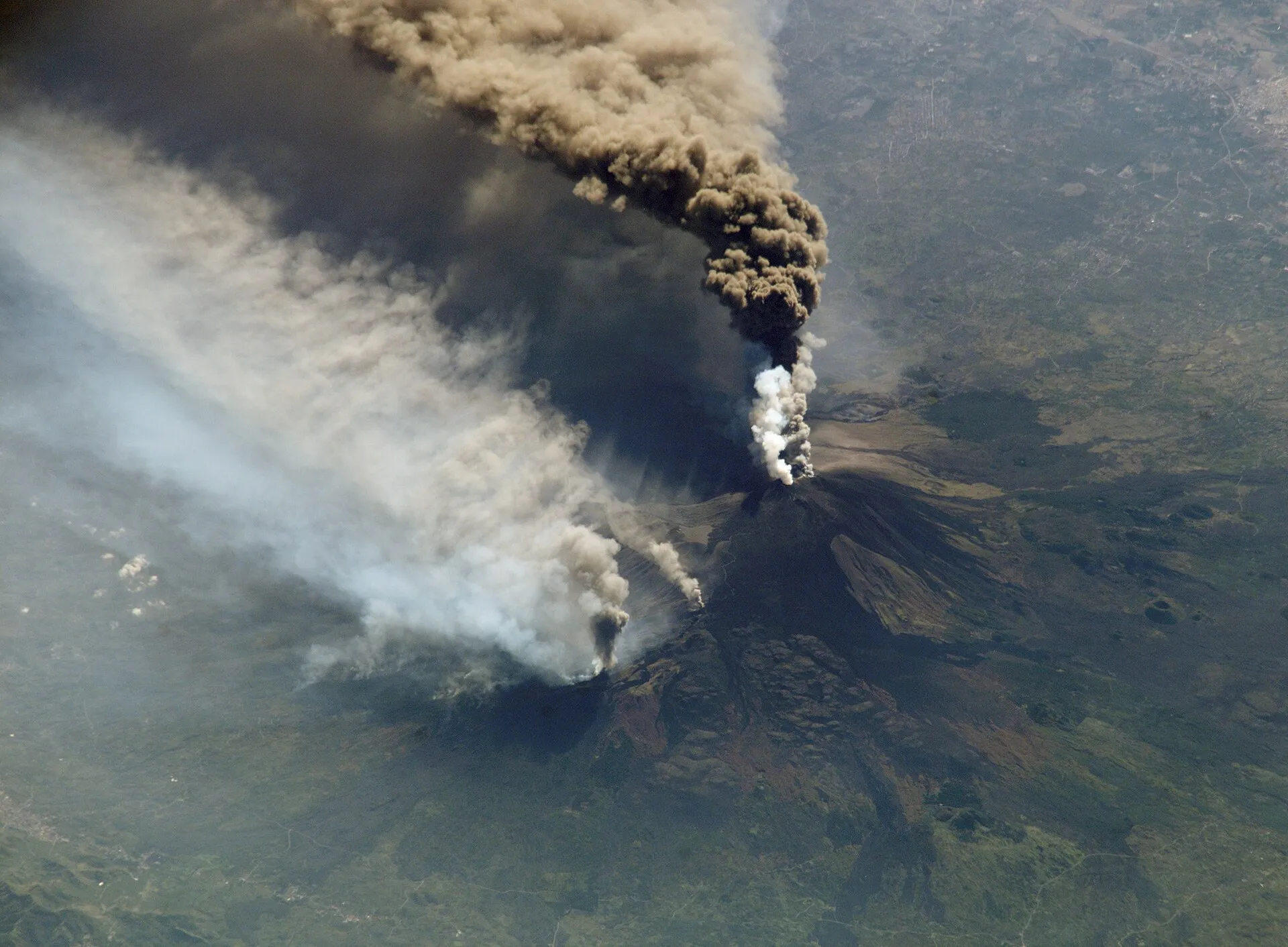
Whenever you think of volcanoes or volcanic ash, you imagine the lava flowing and volcanoes erupting. They are extremely destructive and harmful, and can have adverse effects on human health and surroundings. However, they have a positive side too. Who would have ever thought that volcanic ash would be of any use? It has been embraced for many years for its exceptional health and cosmetic benefits.
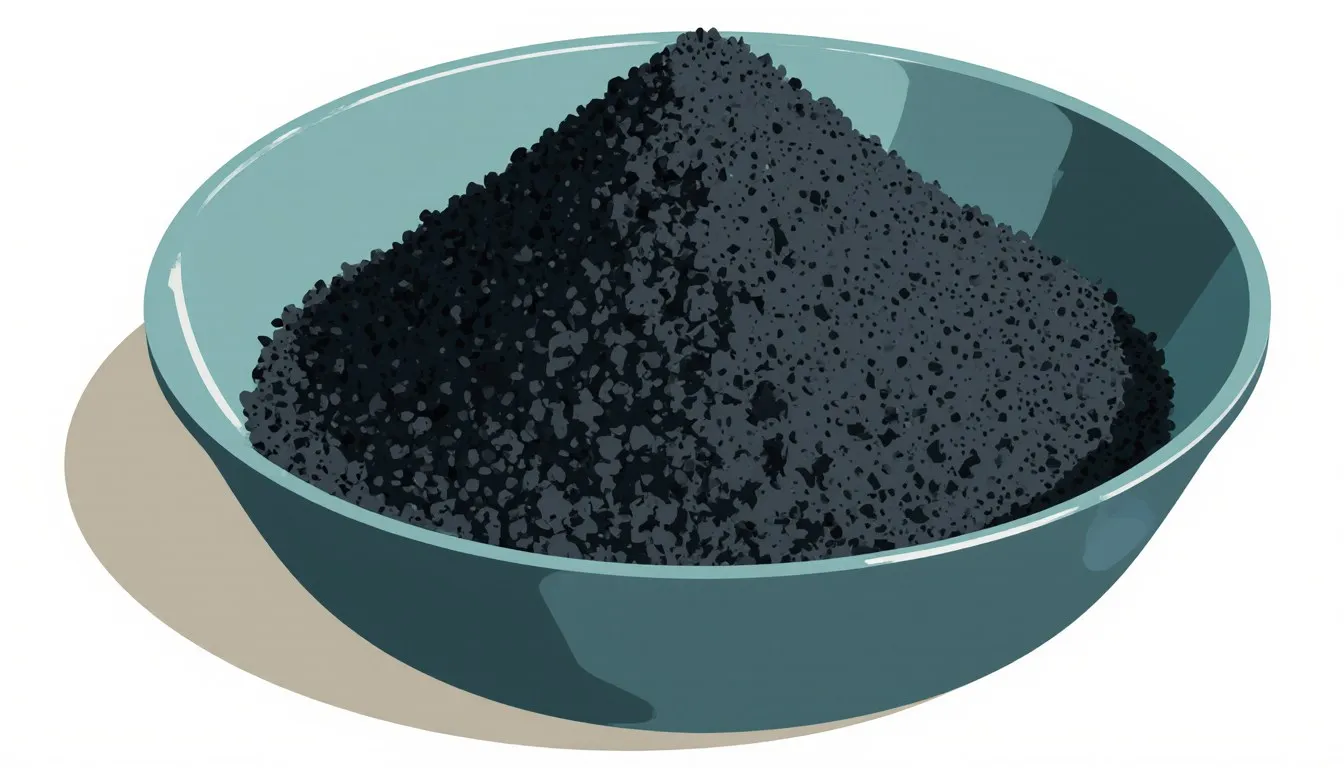
Volcanic ash being insoluble in water creates a clay-like substance called volcanic ash clay. In its pure form, volcanic ash is harmful to health; however, when used in the form of clay, it can have immense health benefits. The volcanic ash clay is composed of Sodium bentonite, a substance which contains strong negative charge that bonds with the positive charge in the toxins and helps remove all the impurities. Hence, volcanic ash clay is widely used as a natural skin purifier that cleanses, purifies, and detoxifies the skin. This clay is rich in minerals, and possesses antibacterial, antifungal, and antiviral properties.
Although used extensively for making skincare products, volcanic ash has other uses too. Let us take a look at them.
Commercial Uses
Skincare Products
✿ The primary use of volcanic ash clay is to beautify and rejuvenate the skin. It is great for any type of skin, be it dry, oily, prone to acne, or wrinkled. Apply it on your face as a pack or take a mud bath, it will surely heal and relax you from within. Its exfoliating properties help in removing the dead cells of the skin. Cosmetics containing volcanic ash clay are easily available in the market today.
✿ Many anti-aging products contain volcanic ash that neutralize the free radical damage and remove the dead cells that cause wrinkles, age spots, and sagged skin. It improves the complexion and makes the skin look radiant and firm.
✿ The antibacterial properties of the clay kill the bacteria that cause acne. It also heals and dries the pimples already existing on the skin.
✿ It removes blackheads and whiteheads, and also cleanses the pores by exfoliating the skin. It also treats skin rashes, cellulite, blemishes, eczema, and stretch marks. If you have puffy eyes and dark circles, then using volcanic ash will help in reducing the puffiness, dark circles, and wrinkles below the eyes.
✿ It is also used in household cleaners and hand soaps.
Cements
✿ Hardened volcanic ash makes a lightweight, but strong building material. It is fire-resistant, non-toxic, and strong. The ancient Romans used volcanic ash to make concrete walls and buildings.
✿ Fine volcanic ash when mixed with quicklime gives Pozzolanic cement, and when combined with sand and other materials, it gives Portland cement. Pozzolanic cement is highly effective and durable.
✿ It is used as an abrasive material for cleansing and polishing of ceramics.
✿ It is also used as a filler in paint or as a carrier for insecticides.
Medicinal Uses
✿ Volcanic ash is high in sulfur content that helps resist bacteria.
✿ It also helps in disinfecting the blood, stimulating the secretion of bile, and in synthesis of collagen.
✿ It also has gastrointestinal properties that help in treating constipation and diarrhea. Those having constipation problems and an irritating bowel syndrome can ingest this clay. It attracts the unhealthy particles that may be present in the digestive system. The best way to consume it is with water.
Agricultural Uses
✿ The volcanic ash provides the surrounding soil with essential nutrients. It contains minerals that are beneficial to plants. The fine ash breaks down quickly to mix with the soil. It proves to be a good fertilizer for the crops. A number of crops are grown on volcanic ash soils as its properties are favorable for the growth of plants. A combination of volcanic ash soil, ample rainfall, warm summers, and light winters produce abundant crops.
So, these were some amazing uses of volcanic ash. However, always remember to use volcanic ash in its clay form to prevent any undesired effects on your health.