

Science Fair Project: How to Make a Volcano
Making a volcano for a science fair project is not as challenging as it seems to be. Here is a detailed guide which will explain how to make a volcano model for school by using simple supplies.
Science is a subject that requires practicals and demonstrations, along with theory, to make the topic more understandable and easy to grasp. For science students, studying the subject becomes more fun with science fair projects. A science fair project displays commonly asked queries on any science topics; be it math, physics, chemistry, biology, microbiology, earth science, technology, health, and medicine.
There are certain tips for a successful project such as - the project title should be an interesting one and it should not be very costly to make the necessary arrangements. Moreover, the project should not be time-consuming, otherwise there are chances of the students getting bored and not completing the project.
How to Make a Volcano for a Science Fair Project
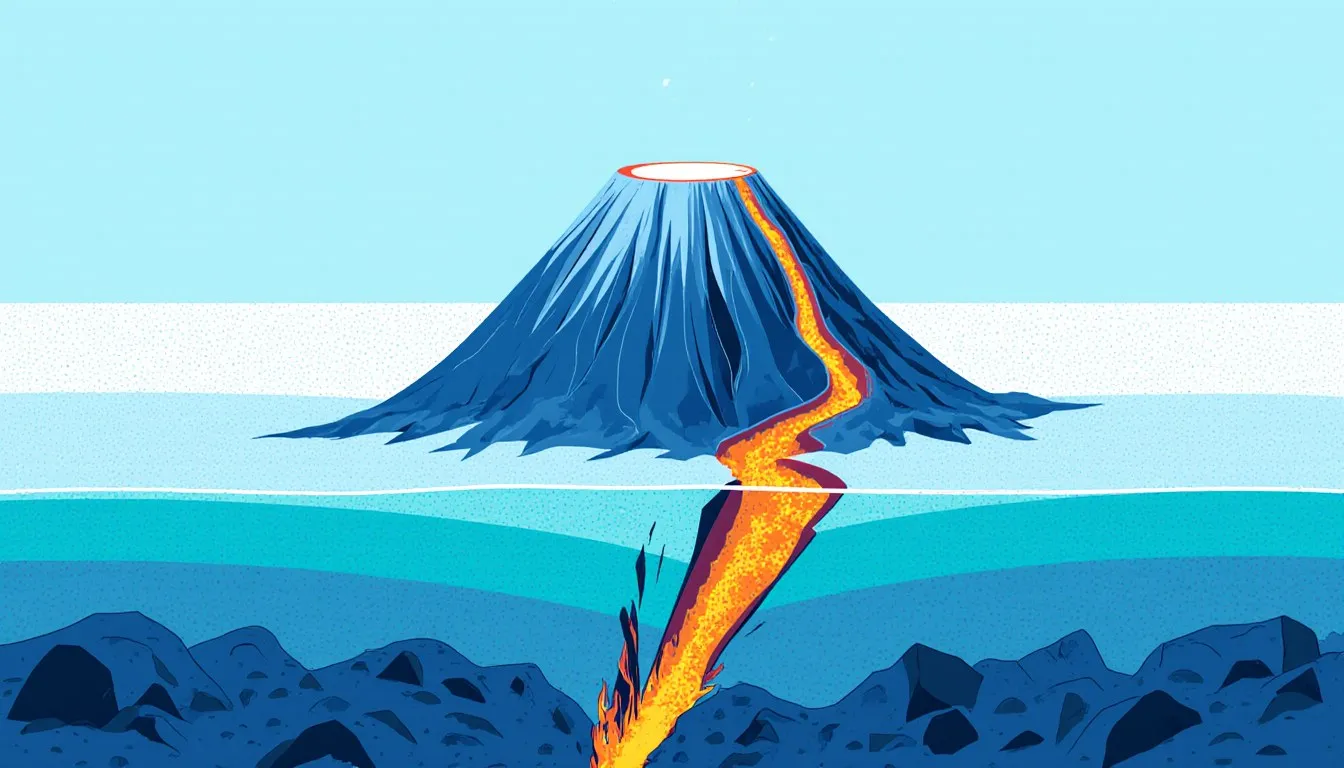
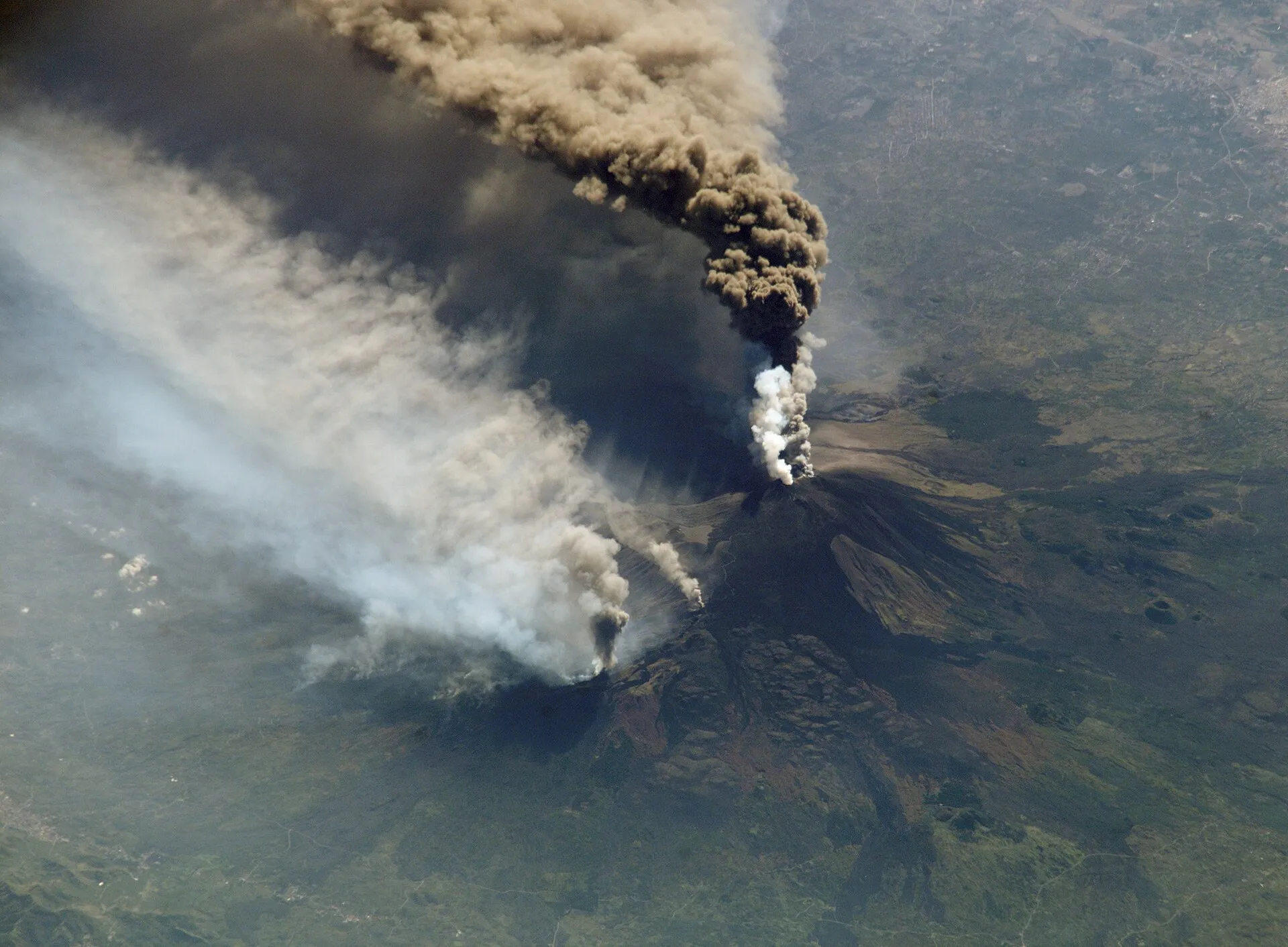
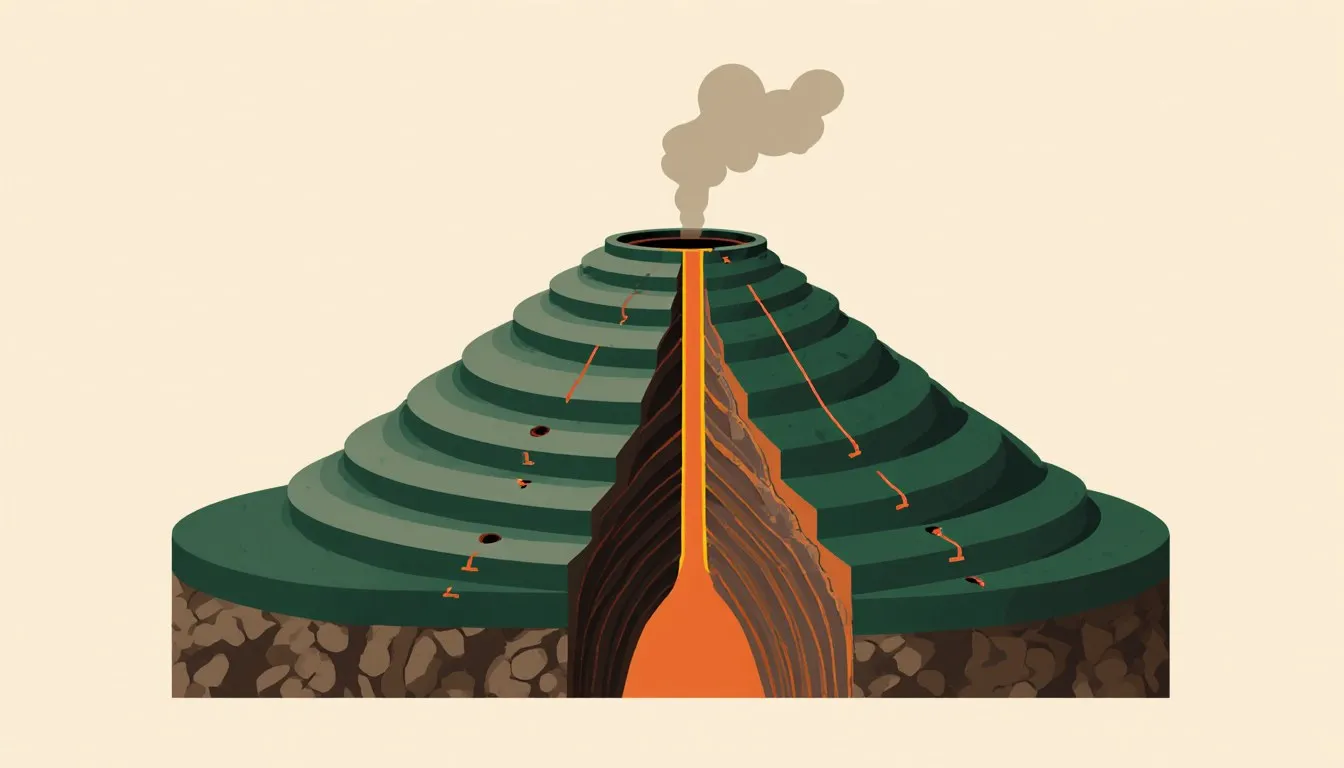
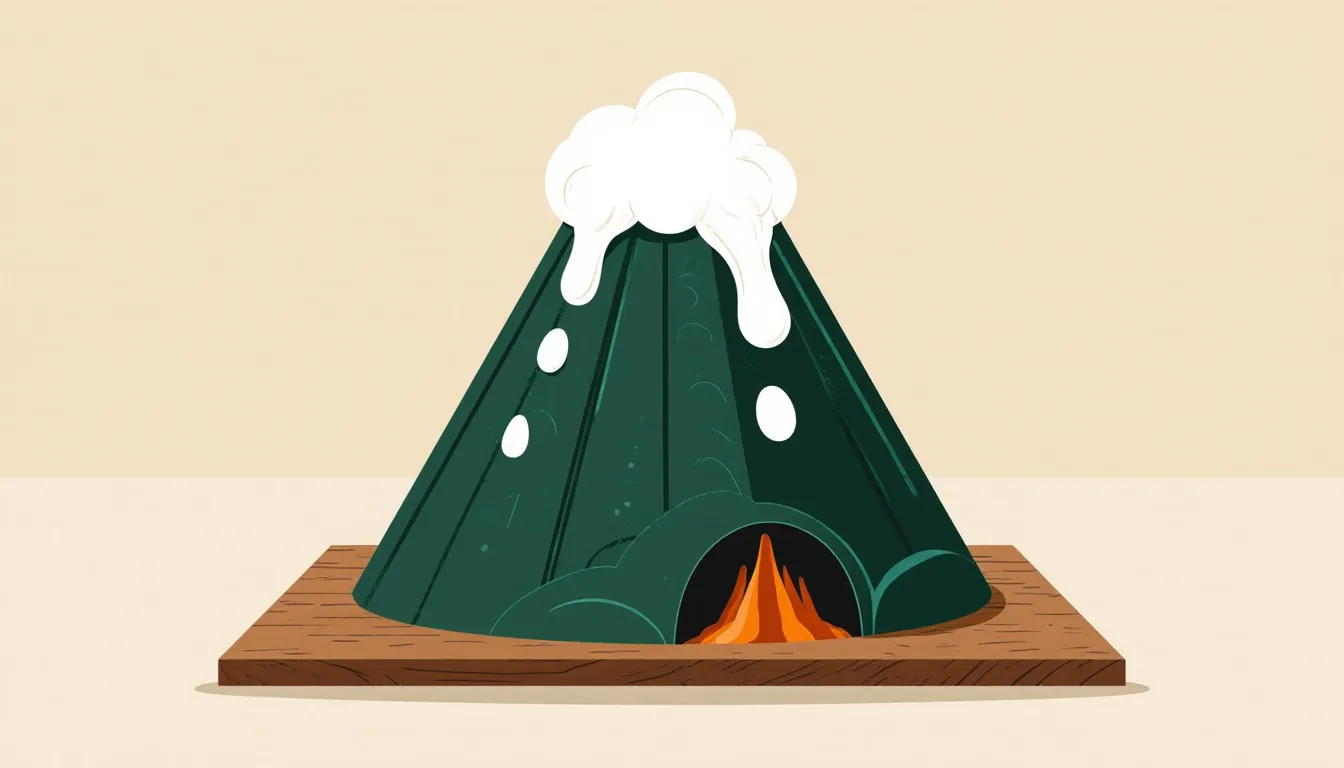
The volcano science project is a common yet interesting topic among students. It helps them in understanding how a volcano erupts and also about the triggering factors of a volcanic eruption. There are several ways of making a volcano model. However, the simplest one is created by using baking soda and vinegar. Following is a step-by-step procedure for making a volcano erupt.
- The requirements for making a volcano model are baking soda, vinegar, clay/play dough, food coloring either red or yellow (preferably red), and a plastic funnel or plastic water/soda bottle.
- Gather the required supplies and keep them at a handy place. To make the project less messy, you can prepare a workplace by laying old newspapers over a flat surface.
- First of all, take a strong base for placing the volcano model. You can make use of plywood or a hard cardboard. But, make sure that the base has boundaries in order to prevent overflowing of the fluid after the volcanic eruption.
- Place the plastic funnel or bottle at the center of the base. You can secure this by using tape. The top center of the plastic funnel or bottle should be cut open, and this will serve as the opening (crater) from which the lava will erupt.
- Once the plastic funnel or bottle is secured properly, mold the clay or play dough around it, to make the shape of a volcano. While putting the clay or dough, you should not cover the opening.
- For the eruption part, mix about 6-8 drops of detergent and a pinch of red food color. Add this mixture to a cup (about 500 ml) of warm water and stir well. The water quantity depends upon the size of the plastic funnel or bottle that you have used. Gently pour the solution and ensure that it fills about 2/3rd of the plastic funnel or bottle.
- Now, add about two tablespoons of baking soda to the solution, and allow the mixture to settle for about 2-3 minutes. To make the volcano erupt, you can pour vinegar gently from the sides of the opening. The volcano will erupt in a few minutes due to the chemical reaction between baking soda (a base) and vinegar (an acid).
What happens during the volcanic eruption is, baking soda (sodium bicarbonate, represented as NaHCO3) combines with vinegar (acetic acid, represented as CH3COOH) to give sodium acetate (NaCH3COO), carbon dioxide (CO2), and water (H2O). Try to understand the reaction properly, so that you can answer any question raised by others. The chemical reaction behind eruption of volcano is given below:
NaHCO3 + CH3COOH → NaCH3COO + H2O + CO2
Or, Sodium bicarbonate + Acetic acid → Sodium acetate + Carbon dioxide gas + Water
Well! This way, you can test volcano theories practically and understand the subject even better. In case, you find it hard to make a volcano model on your own, purchase volcano making kits that are available in the market. You just need to follow the protocol exactly as mentioned in the kit. To make the erupting volcano look more real, decorate the background with a scenery of forests, and also, don’t forget to place pebbles and rocks on the volcano sides.
This baking soda eruption is a rough stand-in for how volcanoes work, trading magma and gas pressure for vinegar and carbon dioxide.