
Uses of Distilled Water
Though almost 70% of the Earth is covered with water, and most of it is not fit for consumption or everyday use. Distilled water refers to water that has been highly purified. Due to this quality, it has many uses and benefits. This ScienceStruck article explains about the uses of this purified form of water.
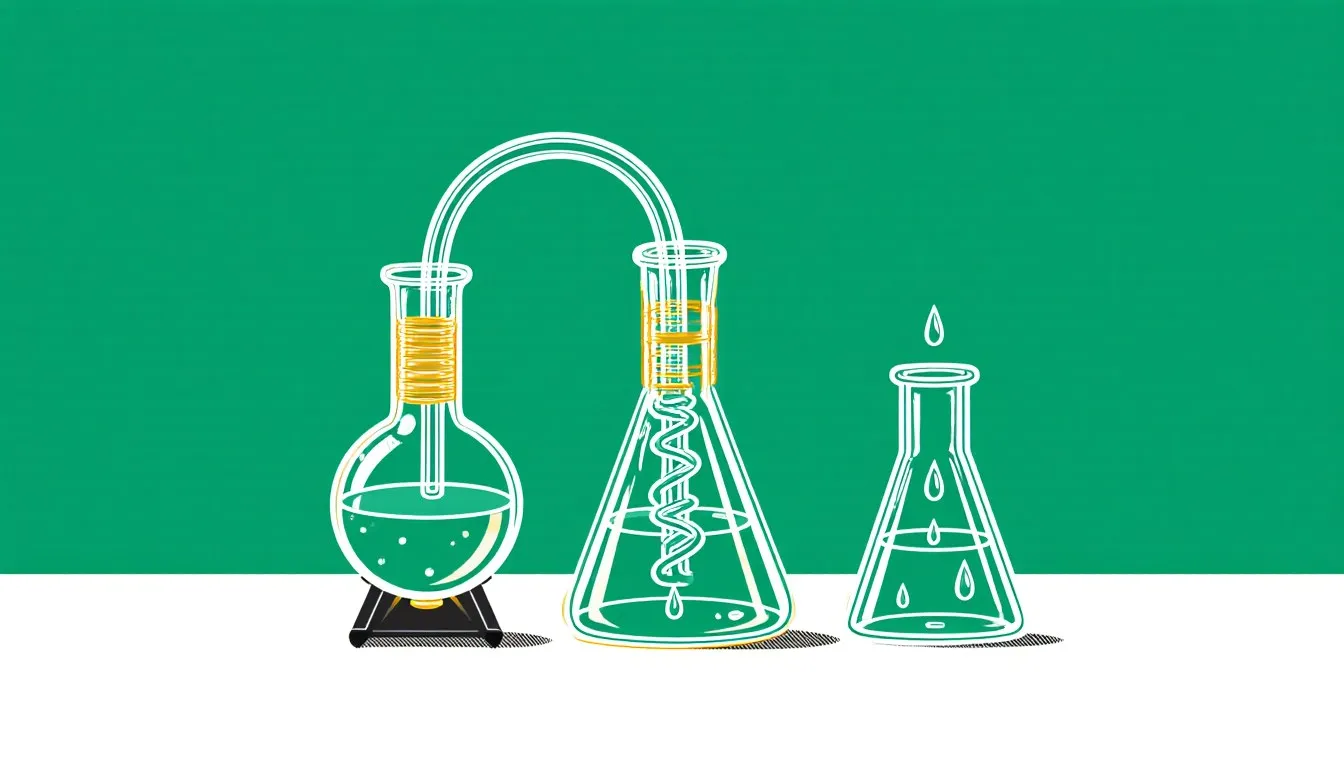
There is a marked difference between distilled and regular water. Distilled water is the purified form of water which is prepared by the process of distillation. In this process, water is heated till it is converted to steam or vapor, separating all the present impurities. The vapor obtained is condensed back to its liquid form and is known as distilled water.
Distilled Water for Drinking Purpose
Distilled water does not contain any inorganic waste. Therefore, it is used as drinking water. Drinking this pure water ensures that our body need not work hard to throw out unwanted waste material. This results in better assimilation of valuable nutrients in the body. Drinking distilled water is a safe option for people who live in areas where water available from the various sources is not fit for consumption. This pure form of water can be used for cooking too. It is good in preparing diets that require low sodium content. This form of water is also always recommended in the preparation of baby foods to avoid the spread of water-borne diseases.
The Many Uses
Distilled water is free from all kinds of contaminating substances like debris and bacteria. It does not have any taste due to the absence of any minerals, trace elements, etc. The important uses include:
- It is used in various industries and chemical and biological laboratories where highly purified water is essential. Sometimes, in cases where an exceptionally high degree of purified water is required, double distilled water is used.
- It is used in ships, particularly in nuclear-powered ships, as a coolant. Here, seawater is desalinated through the process of distillation. This water is also used by the crews of the ships for drinking.
- It is used for making various drinks by many beverage manufacturers to ascertain a high-quality product in terms of both taste as well as purity.
- Lead acid batteries used in vehicles like cars and trucks require a top-up of water at regular intervals of time. Presence of various ions in plain tap water can cause damage to the battery and lead to reduction in its lifespan. Distilled water, free of such ions, is commonly used in such batteries.
- It is often preferred to tap water in automotive cooling systems too. This is because the ions and minerals present in tap water are usually corrosive in nature and tend to wipe out the anti-corrosive additives present in the radiator.
- It is used in steam irons for pressing clothes. Absence of any mineral substances in distilled water enables the iron to function properly for a longer period of time.
- It is used in aquariums to give the aquarium fish a longer life.
- It is excellent for skin as it is devoid of any harmful dissolved substances, and helps in blocking of microscopic pores on facial skin.
- It is used during surgical procedures where clean water is a must to prevent any kind of infection. For the very same reason, it is also used to wash and clean wounds.
Free of the minerals that clog a steam iron or corrode a battery, distilled water earns its place in heat states of matter and fluids.