
Endangered Birds in North America
Some Endangered Birds in North America are near extinction.Birds are amazing creatures. Birds are an evolutionary link of the dinosaur. Over time, each species of bird must adapt. And they change in the environment. Not every species has survived. And many species are in decline. This could lead to them becoming extinct from our planet.
Eighteen bird species and subspecies that are native to North America are currently listed as endangered birds. All of these species have decreasing numbers in population. And the concern is that they might decline to a point where they may face extinction.
Threats to the Birds
The main threat to these species is caused by man. Loss of habitat, pollution, and crashing into windmills or power lines are issues. And poisoning and poaching are the result of the human interference on their habitat. Public, local and private partnerships are at work to save the endangered birds from extinction. Governments on all levels (Federal, state and local) protect certain habitat areas. And they create reserves and parks. These efforts begin with data acquired by the Fish and Wildlife Service, The National Parks Service and conservation groups like The National Audubon Society, and the American Bird Conservancy. When a species becomes endangered all the partners have been contributing data and information to show that specific bird species are declining.Saving the Endangered Birds
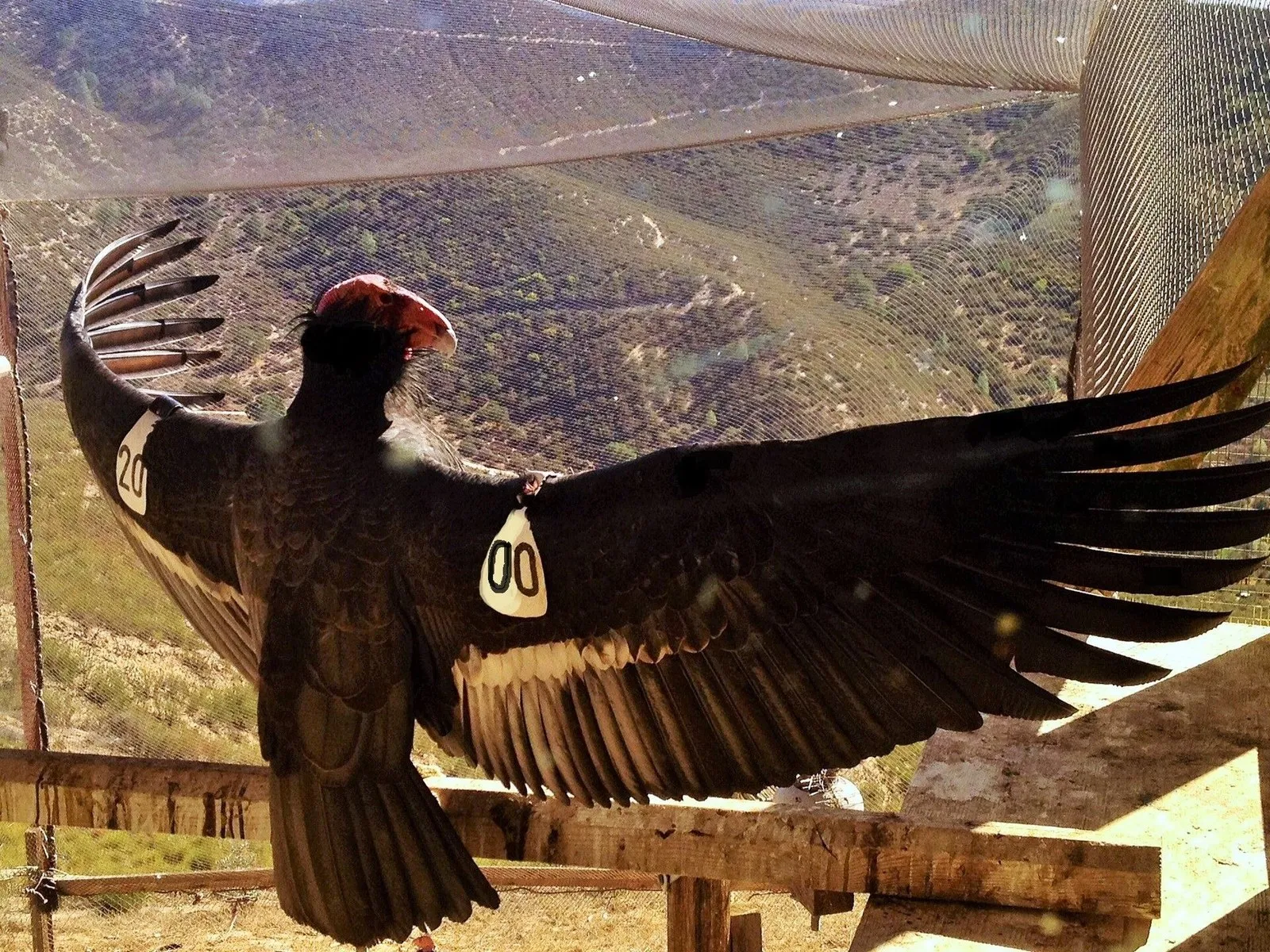
These efforts continue with the extensive study of individual species, in order to determine why they are in decline. Evaluating any apparent threat is essential. Usually this involves protecting the birds’ habitats. And using other safeguards to remove threats. Many past efforts have been successful. This is accomplished through cooperative partnerships. Using various governmental agencies, conservation groups and citizen volunteers works best. The California Condor and the Whooping Crane are still two of the rarest birds. But both species now have steadily increasing populations. Experts use captive breeding. Then they reintroduce the birds to the wild. And this works well, over time. Today birds that were near extinction can be seen flying in the skies. But these efforts take time and effort. But it may take decades to save a bird species from extinction.The Eighteen Endangered Bird Species in North America.
- Bell’s Vireo
- Bermuda Petrel
- Black-capped Vireo
- California Condor
- California Gnatcatcher
- Whooping Crane
- Willow Flycatcher
- Short-tailed Albatross
- Snail Kite
- Seaside Sparrow
- Red- cockaded Woodpecker
- Roseate Tern
- Golden-cheeked Warbler
- Greater Prairie Chicken
- Least Tern
- Piping Plover
- Kirkland’s Warbler
- Loggerhead Shrike
4 Bird Conservation Milestones
These milestones formed the foundation for our present day bird conservation efforts.- 1885 Department of Agriculture (later named the Fish and Wildlife Service) was formed, as the first federal agency responsible for birds.
- 1902 National Association of Audubon Societies initially formed in 1902. It is to preserve herons, egrets and waders. All were being hunted and killed, for their feathers.
- 1903 President Roosevelt signs an executive order that establishes the first federally protected bird reservation, Pelican Island.
- 1918 President Woodrow Wilson signs the Migratory Bird Treaty Act (MBTA), which is still one of the strongest laws which protect North American birds.