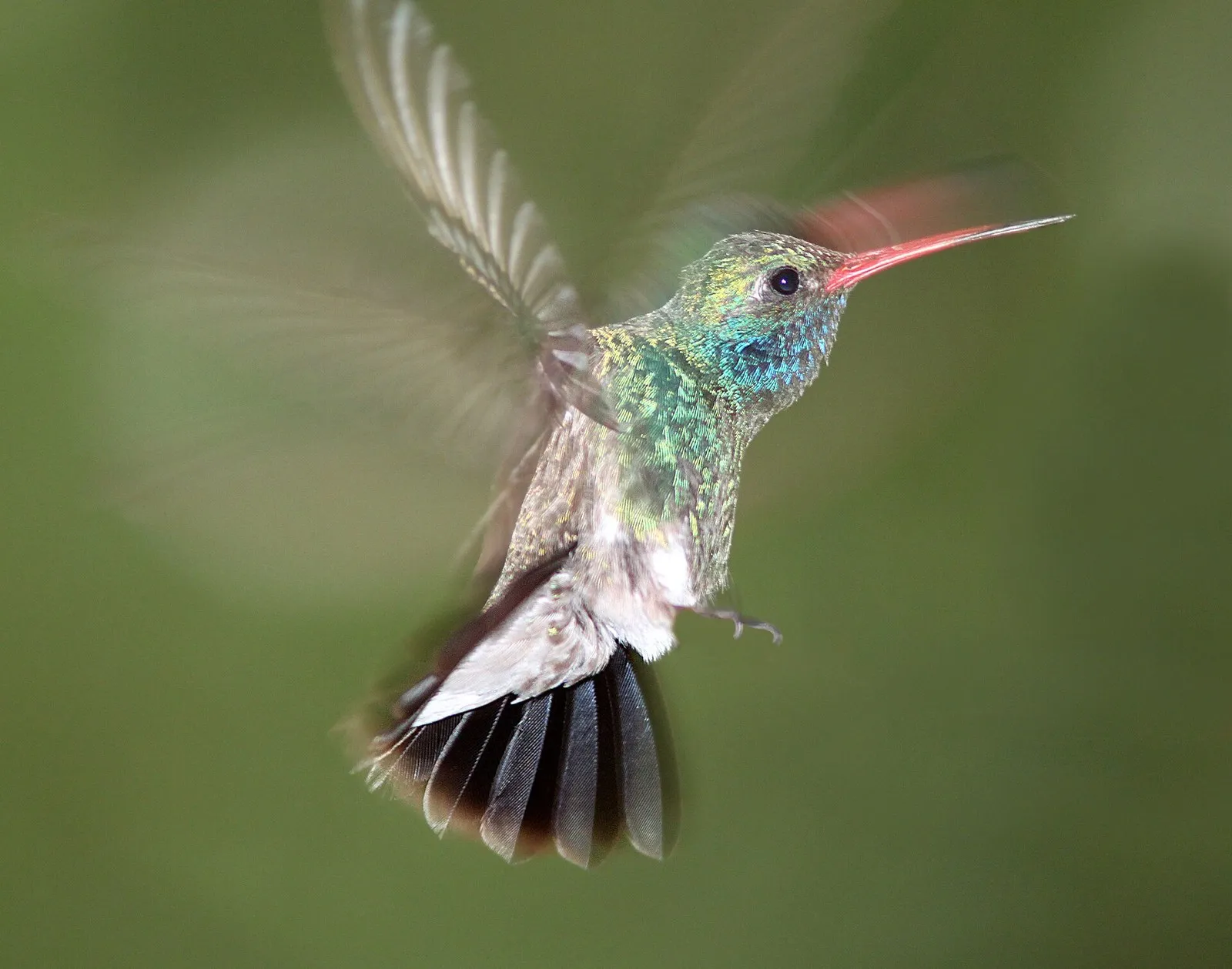
Hummingbirds are fascinating. It’s fun to watch the tiny acrobatic birds, with their high speed wings. But they aren’t always easy to find. If you love watching hummingbirds, consider building them a garden in your own backyard.
There are about 330 species of hummingbirds, found primarily in North and South America. These are the smallest birds. The tiniest species is the “bee hummingbird”. They are about 2 inches from wingtip-to-wingtip and weigh less than an ounce.
Hummingbird-Friendly Tips
Tip #1 Keep the binoculars handy.
There are about 330 species of hummingbirds, found primarily in North and South America. These are the smallest birds. The tiniest species is the “bee hummingbird”. They are about 2 inches from wingtip-to-wingtip and weigh less than an ounce.
Whether you are trying to spot a hummingbird from a window inside your home or just across your backyard binoculars will provide you with the enhanced vision power you need.
All hummingbirds are so small that you need to use binoculars. Make sure the feeder is placed in a location that is visible to the hummingbirds, as well.
Tip #2 Provide shelter and nesting areas.
Think strategically to attract these tiny birds. The feeders and birdbaths need to be visible. But they should be within 10 to 15 feet of trees or shrubs.
The birds won’t stay out in the open too long. And they disappear when they aren’t feeding. They will retreat to conserve energy, as well as stay out of the sun.
When you provide hummingbirds with a stable source of food they will be likely to nest nearby.
The trees and shrubs in your backyard should provide shelter and cover for the birds. They may also be possible nesting sites. The hummingbird will not nest in birdhouses. They don’t build their nests in cavities or holes. They prefer tree branches, power lines or even rooftops.
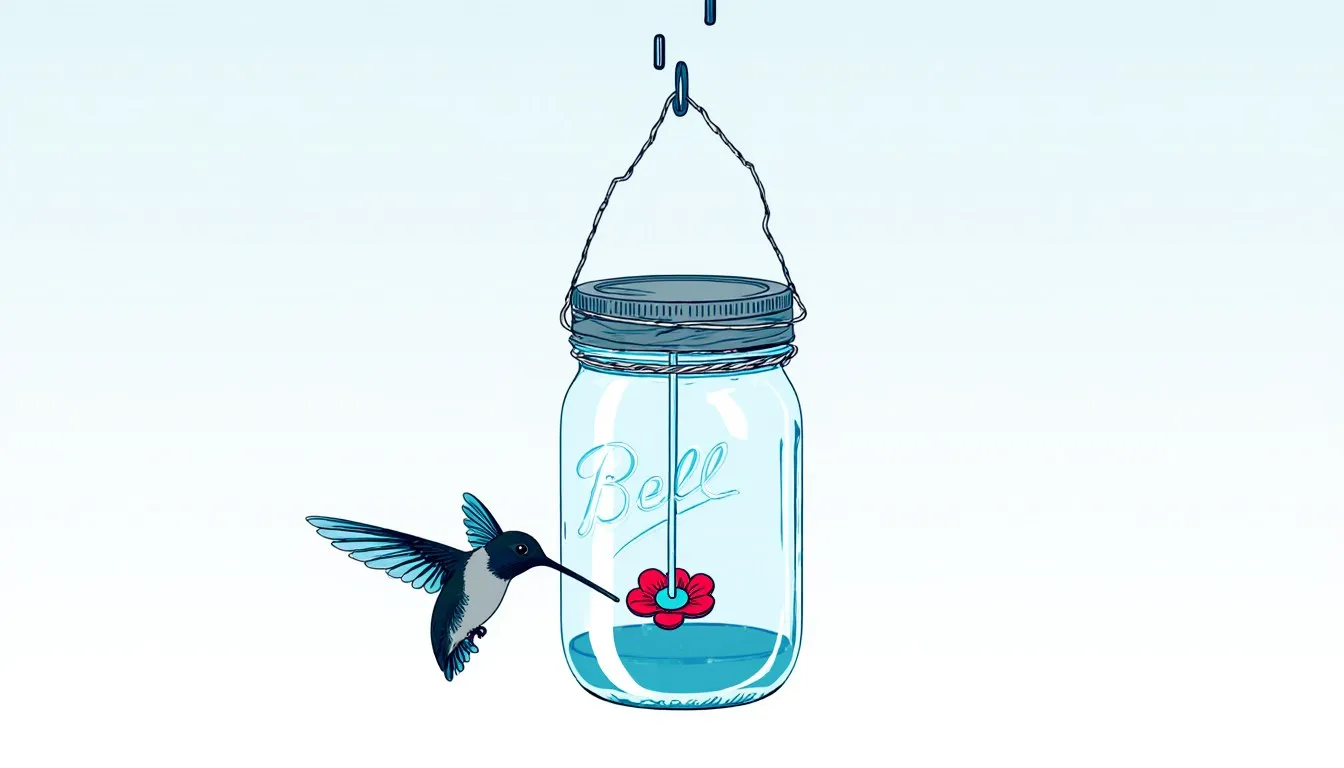
Tip #3 Use a hummingbird feeder(s) to make sure nectar is available. And plant plenty of flowers that produce nectar.
They flip and flutter in mid-air. Then they fly up and soar back down without landing. The hummingbird spends practically all it’s time airborne. And they need high-energy food to fuel their flights.
Hummingbirds are nectivores. Their diet depends on sugar-rich nectar from flowering plants. They also eat insects, especially in nesting season.
In order to naturally attract hummingbirds, plant Scarlet Sage, Zinnias, Redbud, Wild Bergamot (Beebalm), and or Petunias.
Hummingbird Nectar Recipe
Ingredients:
1 cup refined white sugar
4 cups water
Mix 1 cup of sugar with 4 cups of boiling water. Make sure the sugar is all dissolved. Pour the sugar water in a pitcher. Place the refrigerator to cool.
After the nectar cools, fill the feeders and place them outside in your hummingbird garden.
Notes: Do not add red dye or any other chemicals. Be sure and use plain white table sugar. Natural organic sugars have high levels of iron that could be toxic for birds. The sugar and water mixture is similar to natural nectar.
Hummingbird nectar can ferment, especially in hot weather. It’s important to change the nectar often and clean the feeder once a week.