




History of Veterinary Medicine
The field of veterinary medicine is associated with treatment of animals. The following details on history of veterinary medicine take into account the ancient, medieval, and modern eras of development of this science.
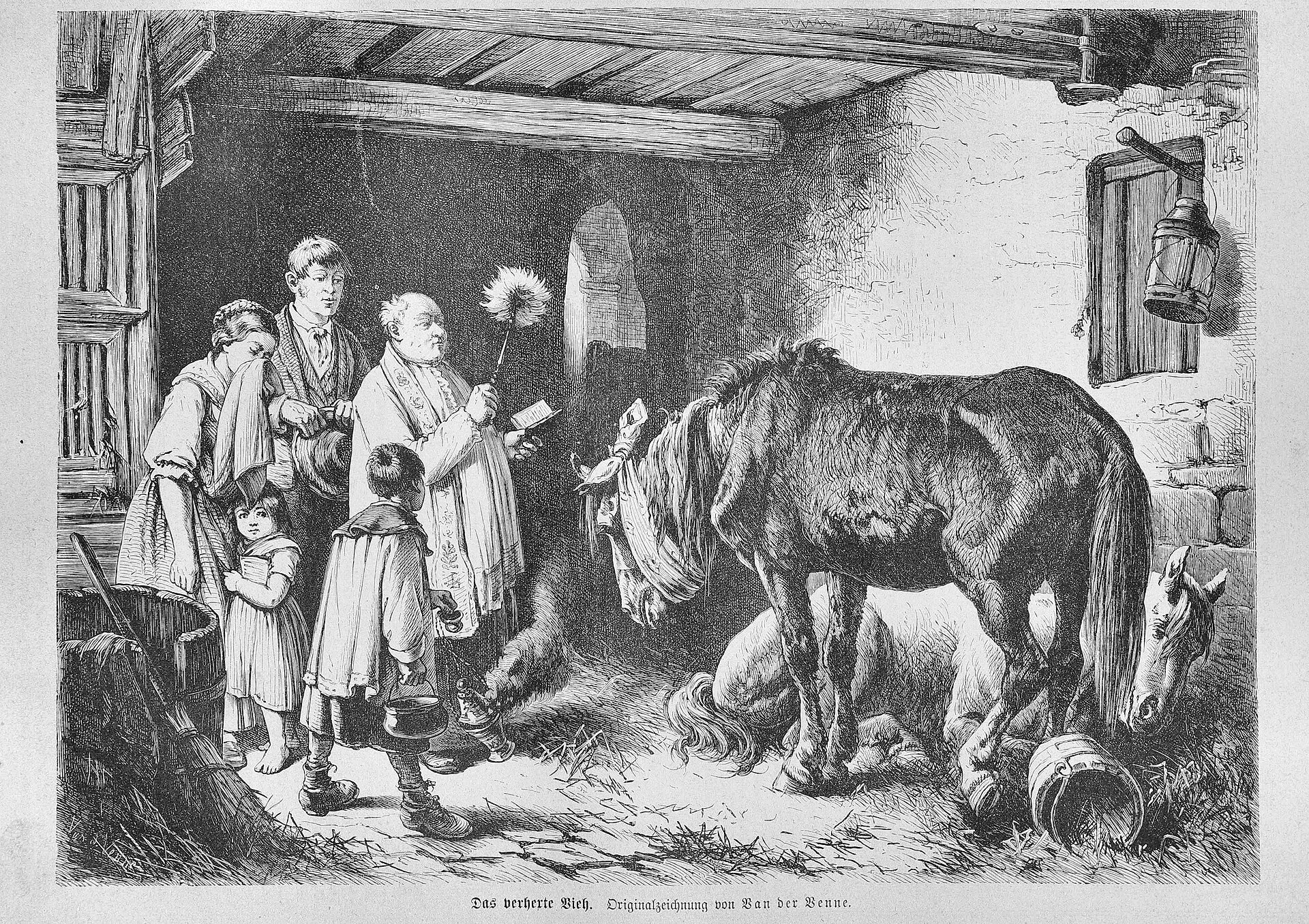
Veterinary medicine is a branch of health science which has attained great importance in today’s times, where we care a lot about pets and animals in general. Animals were a neglected lot in olden days, and medical help was hardly given to them. The treatments used for animals in olden days caused a lot of pain. The use of veterinary medicine was therefore, a boon to such animals.
Veterinary Medicine History
The discipline of veterinary medicine involves the use of medical, diagnostic, surgical and dental therapeutic procedures for treatment of animals. Veterinarians are professionals with the know-how of veterinary medicine. The history of veterinary medicine reveals interesting facts about how this field has evolved over time.
The desire and need to care for animals led to the development and progress of the science of veterinary medicine. It was in the 19th and 20th century that people realized the importance of veterinary medicine. Educational institutes for specialized training in veterinary medicine were set up.
Ancient History
Indians, Egyptians, and Chinese were the ones who first made use of veterinary medicine. Ancient Indian artworks portrayed pictures of people taking care of animals. Asoka, an emperor from India, is also known to have started hospitals for the treatment of animals. Study of Chinese civilization reveals that documentation of different diseases in animals was made by them as early as 2500 B.C.E.
History of veterinary medicine in Egypt can be traced back to the period of 3000 B.C.E. The Egyptians cared for animals and the fact that they considered the cat as a sacred animal emphasizes their concern for animals. Their fascination with cats lead to the domestication of this feline species in Egypt. Columella, a Roman scholar first used the term ‘veterinarius’. He wrote books on animal care and related subjects like livestock health and breeding.
Middle Ages and Modern Period
The development of veterinary medicine as a branch of science in Europe took place with the spread of diseases, like plague, originating from animals (rats). In 1600s, the blood circulation theory proposed by William Harvey was published. This know-how of the circulation theory helped in carrying out blood transfusion in dogs. Lyon (France) was the place where the first veterinary school began in 1782. John Hunter, a surgeon from Scotland, is known to have done a lot of research in the field of veterinary medicine.
In the 1800s and 1900s the field of veterinary medicine became much more specialized than that of earlier times. The Victorian Era also witnessed growth in the field of veterinary science. Typhoid, tuberculosis, and cholera were identified and treatment measures for these diseases were developed. Protecting farm animals from these deadly diseases therefore, became possible.
In the year 1863, American Veterinary Medical Association (AVMA) was established in USA. The first school that taught veterinary medicine was started in USA in 1879. Dr. Henry Moskey worked as the first veterinarian for the Food and Drug Administration (FDA). The Veterinary Medical Branch was established in USA in the year 1953. In the year 1964, the activity of maintaining records pertaining to animal care started in Germany. It was in the year 1965 that the Bureau of Veterinary Medicine (BVM) was established in America. This institution was renamed as Center for Veterinary Medicine (CVM) in 1985. The Center for Veterinary Medicine does the work of regulating process of food additive and drug manufacturing for animals.
The field of veterinary medicine has become specialized to a great extent and there are 20 branches including animal behavior, emergency & critical care, anesthesiology, cardiology, internal medicine, neurology, ophthalmology, oncology, dermatology, surgery and radiology. Nowadays, veterinarians work in different fields like pharmaceutical research, agriculture, chemistry, etc. The history of veterinary medicine reveals that this field as a separate branch of science has come a long way from its early days.